Best Cat Toys for Lazy Cats: Motion-Activated Solutions That Actually Work

Does your cat spend 20+ hours a day sleeping, ignore every toy you buy, and only move for food? You're not dealing with a naturally lazy cat – you're seeing the effects of chronic understimulation that affects millions of indoor cats.
The frustrating truth is that most cat toys fail lazy cats because they require initiative these sedentary felines simply won't take. Static balls, dangling strings, and traditional toys sit ignored while your cat continues the endless sleep-eat-sleep cycle that's slowly compromising their health.
In this comprehensive guide, we'll reveal why lazy cats act this way, which motion-activated toys finally break through their apathy, and proven strategies for transforming even the most stubbornly inactive cat into an engaged, playful companion.
Understanding Why Your Cat Acts "Lazy"
Before labeling your cat as inherently lazy, understanding the root causes helps identify which solutions will actually work versus wasting money on more ignored toys.
Boredom-Induced Lethargy
Cats evolved as hunters requiring 10-15 short hunting expeditions daily. Indoor cats without adequate stimulation literally shut down because their environment provides nothing worth investigating.
This isn't laziness – it's learned helplessness. When every toy proves predictable and boring within minutes, cats conserve energy rather than waste it on unrewarding activities. The apparent laziness is actually intelligent resource management in an understimulating environment.
Depression and Lack of Enrichment
Chronic boredom progresses into genuine depression in indoor cats. Symptoms mirror what we call laziness: excessive sleeping (more than 16-18 hours daily), lack of interest in surroundings, and minimal voluntary movement.
According to feline behaviorists, depression affects an estimated 30-40% of indoor-only cats who lack adequate environmental enrichment. The "lazy" behavior is actually a mental health symptom requiring intervention, not acceptance.
Obesity Creating a Vicious Cycle
Sedentary cats gain weight, making movement uncomfortable, which increases sedentary behavior further. This vicious cycle explains why lazy cats often become lazier over time despite owner attempts to encourage activity.
Breaking this cycle requires toys that work despite excess weight and limited mobility – not toys demanding athletic prowess lazy cats no longer possess.
Age-Related Activity Decline
Senior cats naturally slow down, but many owners mistake normal aging for laziness and stop providing appropriate enrichment. Older cats still need mental stimulation – they just need gentler, more accessible toy options.
The challenge is distinguishing genuine age-related limitations from treatable boredom and depression that happens to coincide with getting older.

Why Traditional Toys Fail Lazy Cats
Understanding why conventional toys don't work for sedentary cats explains which features actually matter when shopping for lazy cat solutions.
Requiring Too Much Cat Initiative
Balls, mice, and feather toys require cats to initiate play. Lazy cats won't take that first step – they need toys that activate independently, capturing attention without requiring decision-making or effort.
Static toys also become background scenery within hours. Cats habituate to unchanging stimuli, making that expensive new toy invisible to a cat who's seen it motionless in the same spot for three days.
Predictable Movement Patterns
Even battery-operated toys with simple back-and-forth movements bore lazy cats quickly. Predictable patterns fail to trigger genuine hunting interest because real prey never moves in straight lines or repetitive circles.
Lazy cats need unpredictability that keeps their brains guessing – the element of surprise that makes investigation worthwhile despite general apathy.
Demanding Physical Capabilities Lazy Cats Lack
Toys requiring jumping, rapid direction changes, or sustained running exclude overweight or older lazy cats from participation. The toy design itself creates barriers preventing the very cats who need exercise most from accessing it.
What Makes Toys Work for Lazy Cats
Effective lazy cat toys share specific characteristics that overcome apathy and create engagement where traditional options fail completely.
Motion-Activated Independent Operation
The single most important feature is motion activation that doesn't require cats to do anything first. Toys that move on their own schedule capture attention during those brief moments when lazy cats are actually awake and marginally alert.
When toys activate randomly throughout the day, they create multiple opportunities for engagement. Even lazy cats who ignore the toy ten times might investigate on the eleventh activation – and that one interaction represents more exercise than they'd otherwise get.
Multi-Sensory Stimulation
Lazy cats need sensory overload to break through apathy. Visual movement alone often fails, but combining realistic motion with authentic sounds and interesting textures creates enough novelty to penetrate their disinterest.
The layered stimulation appeals to different senses simultaneously, making the toy harder to ignore than single-sense options that fail to register as interesting.
Low Physical Barriers to Participation
The best toys for lazy cats allow participation from comfortable positions. Cats can engage while lying down, batting gently with minimal energy expenditure that gradually builds into more active play as interest increases.
This accessibility matters tremendously – toys requiring standing, jumping, or running exclude lazy cats in the crucial early stages when building any activity habit.

Best Types of Cat Toys That Move for Lazy Cats
Specific toy categories have proven track records transforming sedentary cats into moderately active players when implemented strategically.
1. Motion-Activated Interactive Fish Toys
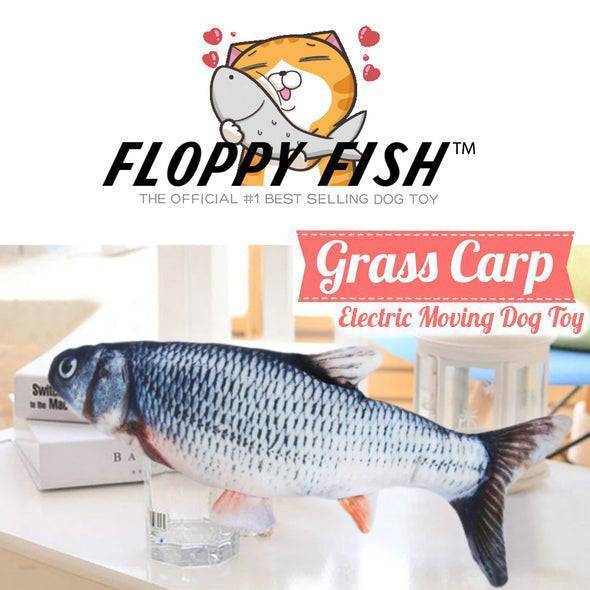
Interactive fish toys that flop when touched (or on their own schedule) provide the perfect lazy cat solution. The realistic movement triggers predatory responses even in cats who've ignored toys for years.
The FLOPPY FISH™ Interactive Cat Toy features advanced motion sensors detecting the slightest interaction. The flopping motion activates from gentle batting cats can do while lying down, creating a low barrier to initial engagement.
Why it works for lazy cats: The toy doesn't require cats to chase, jump, or exert significant effort. A lazy cat lying on their side can swat the fish, trigger flopping, and receive immediate entertaining feedback. This positive reinforcement gradually encourages more active interaction.
The USB-rechargeable motor provides consistent performance over 2-3 days per charge, ensuring the toy works reliably during those rare moments lazy cats show interest. Dead batteries in conventional toys often occur precisely when cats finally decide to play, reinforcing their belief that toys aren't worth investigating.
Strategic placement: Position the fish toy directly in your lazy cat's favorite sleeping spot. When they wake, the toy is immediately accessible without requiring them to go anywhere or do anything beyond minimal movement.
Best for: Overweight cats, senior cats with limited mobility, cats who've shown zero interest in traditional toys, and extremely sedentary cats needing the lowest possible activity barrier.
2. Flying Bird Toys with Realistic Movement
Aerial prey simulation taps into hunting instincts that ground-based toys miss entirely. Even lazy cats often respond to bird movements when they ignore every other toy category.
The FLOPPY FISH™ Flying Bird Cat Toy combines realistic wing-flapping with authentic chirping sounds and motion-activated technology. The multi-sensory experience penetrates the apathy lazy cats display toward simpler toys.
Lazy cat advantage: The bird toy can be positioned on the floor where lazy cats can interact without standing. The wing flapping and chirping activate automatically on a schedule, capturing attention during wake periods without requiring the cat to initiate anything.
Cats who watch birds through windows show particularly strong responses – their existing interest in real birds transfers to the toy bird, creating engagement where nothing else has succeeded.
Implementation tip: Start with short 5-minute exposure sessions. Place the toy near your lazy cat, activate it, and remove it before they lose interest completely. This creates anticipation that makes the toy feel special rather than becoming background furniture they ignore.
Best for: Lazy cats who show interest in window birds, cats ignoring ground toys, and sedentary cats needing novel stimulation different from every toy they've already ignored.
3. Self-Moving Smart Rolling Balls
Autonomous rolling balls create movement that forces attention even from determinedly lazy cats. The unpredictable direction changes and obstacle avoidance make the toy genuinely interesting to watch – the crucial first step before actual interaction.
The FLOPPY FISH™ Smart Rolling Ball features intelligent motion sensors and two play modes adapting to different cat energy levels. In Smart Mode, the ball activates when it detects nearby movement, creating gentle engagement opportunities throughout the day.
Why lazy cats respond: The ball moves independently, rolling near lazy cats and activating their visual tracking instincts. Watching becomes playing as cats follow the movement with their eyes, then heads, then eventually paws.
The compact 2-inch size allows easy batting from resting positions. Lazy cats can participate with minimal effort initially, gradually increasing activity as the toy's novelty maintains their interest.
Progressive engagement strategy: Accept that lazy cats may only watch for the first week. Visual tracking is mental exercise preparing them for physical interaction. Don't force participation – let curiosity develop naturally as the interesting movement persists.
Best for: Cats who track movement visually but won't engage, extremely lazy cats needing gradual activation, and multi-cat households where one active cat's play might inspire the lazy sibling.
4. LED-Enhanced Multi-Sensory Toys
Visual stimulation through LED lights adds an extra attention-grabbing element that penetrates the fog of chronic understimulation lazy cats experience.
The FLOPPY FISH™ with LED Lights combines motion-activated flopping with colorful light displays and gentle music. The multi-sensory assault on lazy cat apathy creates engagement where single-feature toys fail.
Lazy cat psychology: LED lights trigger visual tracking responses that bypass conscious decision-making. Cats track the lights reflexively, creating micro-movements that gradually build into active play sessions.
The nighttime advantage matters for lazy cats who are most alert during evening hours. LED visibility in dim lighting captures attention during the brief periods lazy cats show any energy at all.
Best for: Toy-resistant lazy cats, evening-active cats, senior cats with declining vision who need high-contrast visual cues, and cats who've habituated to non-LED toys.
5. Catnip-Enhanced Comfort Toys
Sometimes lazy cats need comfort-style engagement rather than high-energy play. Plush toys infused with premium catnip provide gentle stimulation appropriate for cats unwilling or unable to chase and pounce.
The FLOPPY FISH™ Plush Toy collection offers lightweight fish designs in soft materials lazy cats can carry, cuddle, and gently bunny-kick without strenuous effort.
Why this works: Lazy cats often respond to catnip even when ignoring toys. The combination of soft texture and catnip scent creates low-energy engagement where cats mouth, carry, and wrestle gently – activity levels appropriate for extremely sedentary cats.
These toys serve as gateway engagement, building positive toy associations that transfer to more active options later.
Best for: Senior lazy cats, overweight cats unable to handle vigorous play, and as rotation toys preventing burnout from higher-intensity motion-activated options.

Strategic Implementation for Maximum Success
Simply buying the right toys isn't enough – implementation strategy determines whether lazy cats engage or continue ignoring everything.
The Gradual Introduction Protocol
Overwhelming lazy cats with multiple new toys simultaneously often backfires. Start with one motion-activated toy, introducing it during your cat's most alert period (often early morning or evening).
Week 1: Place the toy near your cat's favorite spot for 10-15 minutes twice daily, then remove it completely. This creates scarcity value – the toy becomes special rather than permanent furniture.
Week 2: Increase availability to 3-4 short sessions daily. Allow your cat to investigate at their own pace without forcing interaction.
Week 3+: Gradually extend session length as interest develops. Most lazy cats show genuine engagement by week three if the toy matches their needs appropriately.
Strategic Placement for Lazy Cat Success
Location determines accessibility. Toys placed across the room fail because lazy cats won't walk to investigate. Successful placement puts toys directly in their activity zones.
Primary sleeping spot: Position interactive fish toys within paw's reach of favorite nap locations. Lazy cats can engage immediately upon waking without moving.
Food area proximity: Place rolling balls or bird toys near feeding stations. The brief alert period after eating represents prime engagement opportunity for lazy cats.
Window perches: Flying bird toys work excellently near windows where lazy cats already spend time. The toy enhances their existing passive bird-watching with interactive elements.
Rotation Prevents Habituation
Even motion-activated toys lose effectiveness when constantly available. Implement strict rotation schedules keeping toys fresh and interesting.
Keep 2-3 toys stored completely out of sight, rotating them weekly. This maintains novelty that lazy cats need to overcome their default disinterest in everything.
The rotation schedule also accommodates lazy cats' tendency to show interest in bursts. A toy ignored for two weeks might suddenly captivate them when reintroduced – timing matters significantly.
Combining Interactive and Comfort Options
Layer different toy types for comprehensive engagement. Start each day with 10 minutes of motion-activated toy exposure, then leave a catnip plush available for gentle self-soothing play.
This combination addresses different energy levels throughout the day. Lazy cats might manage 5 minutes with the active toy, then transition to gentle mouthing of the plush option – both count as successful engagement.
Creating Realistic Expectations for Lazy Cat Progress
Measuring Success Differently
Forget comparing your lazy cat to energetic kittens shown in toy advertisements. Success looks different for chronically sedentary cats.
Week 1 success: Your cat visually tracks the moving toy, even briefly. Eye movement counts as engagement for extremely lazy cats.
Week 2-3 success: Single paw batting, however gentle. One swat represents massive progress for cats who've previously ignored everything.
Week 4+ success: Multiple interactions totaling 5-10 minutes daily. This might seem minimal but represents exponentially more activity than the zero engagement lazy cats typically show.
Understanding Realistic Activity Levels
Lazy cats will never become hyperactive players. The goal is moving from zero activity to some activity – not transforming them into different cats entirely.
Reasonable targets for lazy cats:
- 2-3 brief play sessions (3-5 minutes each) spread throughout the day
- Visual tracking and head movement during toy activation
- Occasional standing or repositioning to better access toys
- Carrying or mouthing plush toys between active sessions
These modest goals represent profound improvements in quality of life and health outcomes for previously immobile cats.
When to Seek Veterinary Consultation
If motion-activated toys produce zero response after 4-6 weeks of consistent implementation, underlying medical issues may require investigation.
Conditions mimicking laziness include: Arthritis causing painful movement, dental disease making mouth-based play uncomfortable, hyperthyroidism or other metabolic disorders, and genuine depression requiring medication.
Veterinary examination rules out treatable medical problems before concluding a cat is simply unmotivated.
Common Mistakes That Sabotage Lazy Cat Engagement
Expecting Immediate Results
Lazy cats developed their sedentary patterns over months or years. Reversing this behavior takes weeks of patient, consistent effort – not days.
Owners who give up after one week of minimal response often quit right before breakthrough engagement would have occurred. The 3-4 week mark typically shows first genuine interest in previously unresponsive cats.
Offering Too Many Choices Simultaneously
Paradoxically, excessive toy variety overwhelms lazy cats rather than helping. Decision paralysis keeps them frozen in inactivity when faced with too many options.
Start with one perfect toy rather than five mediocre ones. Master engagement with a single motion-activated option before introducing variety.
Forcing Interaction
Pushing toys at lazy cats, picking them up to play, or otherwise forcing participation creates negative associations that reinforce their existing disinterest.
Let curiosity develop naturally. Motion-activated toys do the work – your job is strategic placement and patience, not coercion.
Inconsistent Implementation
Weekend warrior approaches fail completely. Lazy cats need daily exposure to toys during their brief alert periods, not occasional weekend play sessions.
Commit to 10-15 minutes of toy availability twice daily minimum. Consistency matters far more than intensity for lazy cat success.
Choosing Toys Requiring Athletic Ability
High-energy toys demanding jumping, rapid running, or complex coordination exclude the very cats needing help most. Match toy difficulty to current ability – not aspirational fitness levels.
Motion-activated fish allowing participation from lying positions work infinitely better than toys requiring cats to stand, chase, or leap.
Diet and Environmental Factors Supporting Toy Engagement
Feeding Schedule Optimization
Feed smaller meals more frequently to maintain stable energy levels. Lazy cats fed once or twice daily experience energy crashes making play impossible during much of the day.
Schedule brief toy exposure 30-60 minutes after feeding when energy peaks naturally. This timing creates optimal conditions for engagement success.
Environmental Enrichment Beyond Toys
Add vertical spaces, window perches, and hiding spots creating reasons to move throughout the day. Environmental complexity supports toy engagement by reducing overall depression and boredom.
Cat trees positioned strategically between toy play areas and feeding stations create natural movement patterns that accumulate into meaningful daily activity.
Temperature and Comfort Considerations
Ensure play areas maintain comfortable temperatures. Overweight lazy cats overheat easily, making activity in warm rooms impossible.
Create cool, comfortable play zones with motion-activated toys positioned for easy access. Temperature control removes one more barrier preventing engagement.
Real Success Stories from Lazy Cat Owners
Thousands of cat parents have successfully activated previously immobile cats using strategic motion-activated toy implementation.
"Our 15-pound cat literally only moved to eat and use the litter box. After three weeks with the interactive fish toy, she actually plays for 5-10 minutes twice a day. It's not marathon sessions, but compared to zero activity before, it's life-changing. She's lost a pound in two months just from this minimal increase in movement." – Patricia K., Wisconsin
"I'd given up on my senior cat ever playing again. The flying bird toy changed everything. She doesn't chase it, but she bats at it from her bed and seems genuinely interested for the first time in years. Her vet noticed she's more alert during check-ups now." – David R., Oregon
"The smart rolling ball was the breakthrough for our chronically lazy cat. Week one he just watched it. Week two he started following it with his head. By week four he was actually getting up to bat it occasionally. Small progress, but it's more than the zero we had before." – Michelle T., Florida
Building Your Lazy Cat Activation System
The most effective approach combines 2-3 carefully selected toys addressing different engagement levels and energy capacities.
Foundation toy: Start with one motion-activated interactive fish like the FLOPPY FISH™ Interactive Cat Toy allowing participation from resting positions.
Supplementary option: Add a flying bird toy for variety and multi-sensory engagement that might succeed where fish toys don't.
Gentle alternative: Include one catnip plush from the plush collection for low-energy interaction between active toy sessions.
Advanced addition: Once basic engagement establishes, consider a smart rolling ball for cardiovascular variety.
This tiered system accommodates different energy levels throughout the day while maintaining novelty through rotation.

Long-Term Benefits of Activating Lazy Cats
The effort invested in getting lazy cats moving pays dividends extending far beyond simple exercise.
Weight management and health: Even minimal activity increase supports healthier weight, reducing diabetes and arthritis risks. Every 5-minute play session matters for metabolic health.
Mental health improvements: Breaking the boredom-depression cycle improves overall quality of life. Active lazy cats show reduced anxiety, better sleep quality, and more interest in their environment generally.
Enhanced human-animal bond: Owners enjoy watching previously immobile cats show personality and interest. The engagement strengthens emotional connections and provides daily joy.
Longer, healthier lifespan: Cats maintaining some activity level into senior years experience better mobility, cognitive function, and overall longevity compared to completely sedentary counterparts.
Transform Your Lazy Cat's Life Starting Today
Lazy cats aren't unmotivated – they're understimulated by toys designed for already-active cats. Motion-activated toys finally provide the automatic engagement lazy cats need to overcome years of learned helplessness and chronic boredom.
The key is accepting that success looks different for sedentary cats. Five minutes of gentle batting represents a monumental achievement for a cat who previously moved only for food. Celebrate small victories rather than comparing to unrealistic standards.
Strategic implementation matters as much as toy selection. Proper placement, consistent exposure, rotation schedules, and realistic expectations create conditions where even the laziest cats gradually develop interest in play they've ignored for years.
Ready to activate your lazy cat? Explore the complete collection of motion-activated FLOPPY FISH™ Interactive Cat Toys specifically designed to engage sedentary cats through realistic movement, multi-sensory stimulation, and low physical barriers to participation.
Shop the proven best-selling toys for inactive cats today and discover why thousands of lazy cat owners finally found toys their cats actually use – because every cat deserves engagement, exercise, and the mental stimulation that transforms mere existence into genuine quality of life.