Best Toys for Dog Separation Anxiety: Comfort & Distraction Solutions That Work

Does your dog become destructive, bark excessively, or show signs of distress when left alone? You're witnessing separation anxiety – a behavioral condition affecting nearly 20-40% of dogs referred to animal behavior practices.
While training and behavior modification form the foundation of treatment, the right toys for dog separation anxiety provide crucial support by offering comfort, reducing stress, and creating positive associations with alone time. Strategic toy use can mean the difference between a dog who panics when you leave and one who settles calmly with their favorite comfort item.
In this comprehensive guide, we'll explore the best toys for dogs with separation anxiety, how different toy types address specific anxiety symptoms, and proven strategies for using toys as part of an effective anxiety management plan.
Understanding Dog Separation Anxiety
Separation anxiety isn't simple boredom or lack of training – it's genuine panic that dogs experience when separated from their attachment figures. Understanding the condition helps explain why certain toys work while others fail to provide relief.
Common Symptoms of Separation Anxiety
Dogs with separation anxiety typically display multiple symptoms within 15-30 minutes of being left alone. Recognizing these signs helps you assess whether toys are addressing the underlying anxiety effectively.
Behavioral symptoms include: Destructive chewing (especially near doors and windows), excessive barking or howling, pacing in repetitive patterns, attempting to escape, house soiling despite being housetrained, and refusing food or treats when alone.
Physical symptoms include: Excessive drooling, panting even in cool temperatures, trembling, dilated pupils, and in severe cases, self-injury from escape attempts.
The intensity varies dramatically between dogs. Mild cases may involve whining and pacing, while severe anxiety can lead to destroyed furniture, broken teeth from chewing metal crates, and dangerous escape attempts.
Why Traditional Toys Often Fail
Many well-meaning owners try standard chew toys or balls, only to find them ignored during anxiety episodes. Anxious dogs cannot engage in normal play behavior when experiencing panic-level stress.
Their nervous systems are in fight-or-flight mode, making it neurologically impossible to relax enough for typical play. This is why specialized anxiety toys use different mechanisms – focusing on comfort, sensory regulation, and gentle distraction rather than energetic play.

How the Right Toys Help Manage Separation Anxiety
Effective separation anxiety toys work through multiple psychological and physiological mechanisms that directly counter anxiety responses.
Providing Comfort and Security
Soft, cuddly toys mimic the comforting presence of another living being. The physical act of holding or cuddling a plush toy activates the same neural pathways involved in social bonding, releasing oxytocin that reduces cortisol levels.
The FLOPPY FISH™ Calming Duck Dog Toy provides this tactile comfort through ultra-soft plush materials and a gentle squeaker that responds to pressure. Dogs carry, cuddle, and sleep with these comfort toys, creating positive associations with alone time.
The key is consistency: When dogs have access to the same comfort toy during calm, happy moments with you present, the toy becomes associated with safety. This positive association then provides emotional support when you leave.
Reducing Stress Through Engagement
Anxiety creates destructive energy that needs appropriate outlets. Interactive toys redirect nervous energy into productive activity that occupies the mind and body simultaneously.
Motion-activated toys are particularly effective because they respond to the dog's interaction, creating the illusion of companionship. When a toy moves on its own, it captures attention and triggers natural play drives that can break through mild-to-moderate anxiety.
Creating Positive Departure Associations
Strategic toy presentation transforms departures from anxiety triggers into positive events. When special toys only appear during alone time, dogs begin associating your leaving with receiving something valuable.
This conditioning takes weeks to establish but creates powerful behavioral changes. Dogs who once panicked at grab-your-keys routines instead become excited, knowing their favorite comfort toy or engaging distraction is coming.
Best Types of Toys for Dog Separation Anxiety
Different anxiety symptoms respond to different toy categories. The most effective approach combines 2-3 complementary types that address your dog's specific anxiety manifestations.
1. Comfort Toys with Gentle Squeakers
Plush comfort toys provide emotional security through soft textures and responsive squeaking that doesn't overstimulate. Unlike loud, chaotic toys that increase arousal, gentle squeakers offer soothing feedback.
The FLOPPY FISH™ Calming Duck collection features soft duck designs with built-in gentle squeakers. The plush exterior is perfect for cuddling, while the moderate squeaking provides just enough auditory feedback to maintain interest without creating anxiety.
Why ducks work specifically: The duck shape and soft quacking sound create non-threatening associations. Many dogs find duck toys particularly comforting, possibly because the waddle-shaped design is easy to carry and the texture feels safe to mouth gently.
Best for: Dogs who seek comfort items during stress, carry toys to their bed, or show nesting behaviors when anxious. Particularly effective for small to medium dogs and those with mild-to-moderate separation anxiety.
2. Motion-Activated Interactive Toys
Self-moving toys provide distraction and engagement that helps dogs break fixation on your absence. The unpredictable movement captures attention and redirects nervous energy into play.
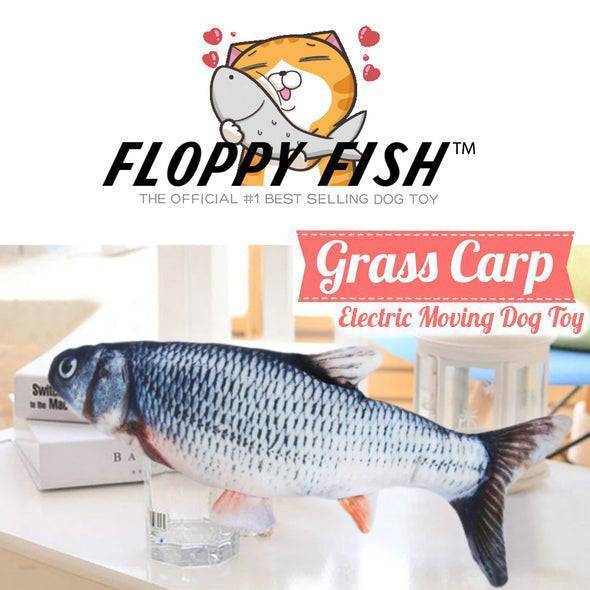
The FLOPPY FISH™ Interactive Dog Toy features motion sensors that activate realistic flopping movements when touched. This autonomous response creates the illusion of an interactive playmate, reducing the loneliness component of separation anxiety.
Anxiety relief mechanisms: The realistic fish movements trigger natural prey drives that compete with anxiety responses for neural bandwidth. When dogs focus on stalking and pouncing, they cannot simultaneously maintain panic-level stress.
The USB-rechargeable motor provides consistent performance that doesn't weaken over time – crucial because anxious dogs quickly lose interest in toys that become predictable or stop working effectively.
Best for: High-energy dogs whose anxiety manifests as destructive behavior, dogs who respond well to physical activity, and those who show interest in motion-based play even when mildly anxious.
3. Long-Duration Chew Toys
Chewing releases endorphins and provides repetitive, calming activity that reduces stress hormones. Long-lasting chews keep dogs occupied for 30-60 minutes – often enough time to get past the initial anxiety spike that occurs right after departure.
Important selection criteria: Choose chews that match your dog's chewing intensity. Anxious dogs often chew more aggressively than calm dogs, requiring extremely durable options. Safety is paramount – avoid anything that can splinter or create choking hazards.
Best for: Dogs who already show chewing behaviors when anxious, power chewers, and large breed dogs who need substantial oral stimulation to feel satisfied.
4. Puzzle Toys and Treat Dispensers
Mental engagement through problem-solving creates cognitive distraction from anxiety. Puzzle toys work best for mild anxiety because severely anxious dogs cannot focus on complex tasks.
Start with easy puzzles and gradually increase difficulty as your dog's confidence with alone time improves. The mental effort required to extract treats creates natural fatigue that promotes settling behavior.
Best for: Intelligent breeds prone to anxiety, food-motivated dogs, and those with mild separation anxiety who can still problem-solve when stressed.
5. Scent-Based Comfort Items
Items carrying your scent provide olfactory comfort that reduces anxiety. While not toys per se, t-shirts or blankets you've worn can be paired with comfort toys to enhance their calming effect.
Implementation tip: Place a worn t-shirt in your dog's bed area along with their comfort toy. The familiar scent combined with the tactile comfort of a plush toy creates multi-sensory security.

Creating an Effective Toy-Based Anxiety Management System
Strategic toy use requires more than just buying anxiety-relief products. Implementation strategy determines whether toys successfully reduce separation anxiety or get ignored.
The Special Toy Protocol
Reserve the most effective anxiety toys exclusively for alone time. These "special" toys only appear when you leave, creating powerful positive associations with your departure.
Morning routine example: 10-15 minutes before leaving, present your dog's special comfort toy (like the Calming Duck) in a calm, matter-of-fact way. Don't make a big fuss – anxiety often increases with overly emotional goodbyes.
When you return, calmly put the special toy away without fanfare. This creates clear boundaries: special toy = alone time = safe and okay.
Within 2-4 weeks, many dogs begin associating the special toy with your eventual return, reducing anxiety about abandonment.
Combining Comfort and Engagement
Layer different toy types for comprehensive anxiety management. Start with a comfort toy for emotional security, add an interactive motion-activated option for engagement, and include a long-lasting chew for sustained distraction.
Example combination for moderate anxiety:
- Place a Calming Duck plush toy in your dog's bed area for emotional comfort
- Position a motion-activated fish toy in their main activity zone for engaging distraction
- Provide a durable chew toy near their favorite resting spot for calming oral activity
This multi-layered approach addresses different aspects of anxiety simultaneously, increasing overall effectiveness.
Gradual Desensitization Through Toy Pairing
Use toys during practice departures to build positive associations gradually. Start with extremely short absences – literally 30 seconds – while your dog has their anxiety toys.
Return before anxiety escalates, calmly praise if your dog engaged with the toy, and put it away. Gradually extend absence duration over weeks, always staying below your dog's anxiety threshold.
This systematic desensitization, supported by positive toy associations, can significantly reduce separation anxiety severity over 4-8 weeks.
Choosing Toys Based on Anxiety Severity
For Mild Separation Anxiety
Dogs with mild anxiety show minor distress like whining or pacing but settle within 30 minutes. These dogs respond well to engaging interactive toys that redirect attention.
Motion-activated toys like the FLOPPY FISH™ Interactive Dog Toys work excellently for mild cases. The realistic movements capture interest and trigger play behaviors that compete with anxiety responses.
Combine with puzzle feeders containing breakfast or special treats to create positive morning departure routines.
For Moderate Separation Anxiety
Moderate anxiety involves persistent distress, destructive behaviors, and longer settling times. These dogs need comfort items plus sustained distraction.
Start with a plush comfort toy for emotional security, then add longer-duration options like motion-activated toys and durable chews that provide 30-60 minutes of engagement.
The layered approach gives dogs multiple coping options as different anxiety phases occur throughout your absence.
For Severe Separation Anxiety
Severe cases involve intense panic, self-injury risk, and complete inability to settle alone. Toys alone will not resolve severe separation anxiety – professional help from veterinary behaviorists is essential.
However, comfort toys can still provide marginal relief when used alongside medication, behavior modification, and gradual desensitization protocols prescribed by professionals.
Focus on ultra-soft comfort items rather than engaging toys, as severely anxious dogs cannot focus on play. The goal is providing any small measure of comfort during an otherwise overwhelming experience.

Implementation Strategies for Maximum Effectiveness
Timing Toy Introduction Properly
Present anxiety toys 10-15 minutes before departure, not right as you're walking out the door. This timing allows dogs to engage with toys while you're still present, creating positive associations before anxiety peaks.
The presence-to-absence transition becomes less stark when dogs are already occupied with their comfort toy before you leave.
Rotate Toys to Maintain Interest
Even anxiety toys can become boring with constant availability. Keep 2-3 comfort toys in rotation, alternating which one appears during alone time.
This maintains novelty that keeps toys effective long-term. Store away the rotated-out toy completely so it feels fresh when reintroduced.
Monitor and Adjust Strategy
Track your dog's anxiety symptoms over 2-4 weeks of consistent toy use. Look for gradual improvements like reduced destruction, quieter alone time, or finding your dog settled with their toy when you return.
If symptoms worsen or don't improve after a month, consult a veterinary behaviorist. Separation anxiety sometimes requires medication or professional behavior modification beyond what toys alone can provide.
Common Mistakes That Reduce Toy Effectiveness
Making Departures Too Emotional
Lengthy, emotional goodbyes while presenting anxiety toys actually increase stress. Dogs read our emotional state and become more anxious when we act upset about leaving.
Better approach: Calmly give the comfort toy in a matter-of-fact way, then leave without fanfare. Understated departures paired with special toys work far better than dramatic presentations.
Using the Same Toys During Together Time
If your dog plays with their "anxiety toy" all day while you're home, it loses special status. The toy no longer signals "alone time is safe" because it's available regardless of your presence.
Reserve the most effective anxiety toy exclusively for departures to maintain its special anxiety-reducing association.
Expecting Immediate Results
Toy-based anxiety management requires 2-4 weeks of consistent implementation before showing measurable results. Behavioral change takes time – especially when addressing deep-rooted anxiety.
Track subtle improvements like slightly reduced whining duration or finding your dog in a different position when you return. Small progress indicates the approach is working even before dramatic changes appear.
Choosing Toys That Match Your Preferences Over Your Dog's Needs
The cutest toy isn't always the most effective. Some dogs prefer soft textures, others need motion-activation, and some require intense chewing to feel relief.
Observe which toy types your dog naturally gravitates toward during calm moments, then select anxiety toys matching those preferences.
Supporting Toy Use with Environmental Management
Creating a Safe Space
Designate a specific area where anxiety toys are always available during departures. This could be a comfortable bed area, crate (for crate-trained dogs), or quiet room.
The consistent location helps dogs develop routines: when I'm in my safe space with my special toys, my person comes back. This predictability reduces anxiety over time.
Background Noise for Comfort
Leave calming music or white noise playing during departures. The auditory buffer masks outside sounds that might trigger anxiety while creating a soothing environment that enhances toy effectiveness.
Some dogs settle better with TV voices providing the illusion of human presence, while others prefer classical music or nature sounds.
Exercise Before Departures
Tired dogs settle more easily. Provide vigorous exercise 30-60 minutes before leaving so your dog is physically ready to rest when you depart.
The combination of physical fatigue plus engaging anxiety toys creates ideal conditions for successful alone time.
When to Seek Professional Help
Toys provide valuable support but aren't standalone solutions for all separation anxiety cases. Recognize when professional intervention is necessary.
Warning Signs Requiring Veterinary Behaviorist Consultation
Seek professional help if your dog shows: self-injury from escape attempts, complete inability to eat or drink when alone, panic-level symptoms lasting hours, or anxiety that worsens despite 4-6 weeks of consistent toy-based management.
Veterinary behaviorists can prescribe anti-anxiety medications that make dogs receptive to behavior modification and toy-based comfort strategies. Medication plus environmental management (including strategic toy use) produces better outcomes than either approach alone for moderate-to-severe cases.
Combining Toys with Behavior Modification
Professional trainers specializing in separation anxiety can teach systematic desensitization protocols that pair gradually increasing alone time with positive toy associations.
This structured approach, guided by professionals, creates faster, more reliable improvement than self-directed efforts for complex cases.
Real Success Stories from Dog Owners
Thousands of dog parents have seen meaningful anxiety reduction through strategic toy implementation combined with patient behavior modification.
"Our rescue dog had severe separation anxiety – destroyed two crates trying to escape. The calming duck toy became her security item. We paired it with very gradual practice departures, and after 3 months she could be alone for 4 hours without panicking. The soft toy gave her something to focus on besides her fear." – Linda M., Colorado
"The interactive fish toy was a game-changer for our anxious lab. She'd pace and whine for hours when we left. Now we give her the fish toy 15 minutes before leaving, and she's so engaged with making it flop that she barely notices us go. Her anxiety decreased dramatically in just 6 weeks." – Marcus T., Virginia
"Our vet recommended combining comfort toys with anti-anxiety medication for our severe case. The calming duck doesn't 'cure' her anxiety, but it provides noticeable comfort. She carries it to her bed and sleeps with it – something she never did before. Small improvements matter when dealing with serious anxiety." – Sandy S., Oregon
Building Your Dog's Anxiety Relief Toy Kit
The most effective approach combines 2-3 complementary toy types that address different aspects of separation anxiety.
Foundation comfort toy: Start with a soft plush option like the FLOPPY FISH™ Calming Duck for emotional security and gentle squeaker comfort.
Interactive engagement toy: Add a motion-activated option like the FLOPPY FISH™ Interactive Dog Toy for dogs who benefit from active distraction.
Long-duration option: Include a durable chew toy or treat-dispensing puzzle for sustained engagement during the critical first 30-60 minutes alone.
Backup rotation toys: Keep 1-2 additional comfort toys in storage for rotation every 2-3 weeks to maintain novelty.
This four-component system provides comprehensive anxiety management suitable for mild-to-moderate separation anxiety cases when combined with appropriate behavior modification.

The Long-Term Benefits of Anxiety Toy Programs
Consistent anxiety toy implementation creates lasting behavioral improvements that extend far beyond immediate symptom reduction.
Improved confidence and independence: Dogs who learn that alone time includes positive experiences (special toys, treats, comfort items) develop healthier independence. This confidence transfers to other areas, reducing general anxiety levels.
Reduced stress for entire household: When dogs can stay calm alone, owners gain freedom to leave home without guilt or worry. This stress reduction benefits the human-animal bond significantly.
Better quality of life for anxious dogs: Learning to self-soothe with comfort toys provides coping skills dogs use during other stressful situations like vet visits, thunderstorms, or household changes.
Prevention of anxiety escalation: Early intervention with appropriate toys and behavior modification prevents mild anxiety from progressing to severe, treatment-resistant cases requiring intensive professional help.
Transform Your Dog's Alone Time Starting Today
Dog separation anxiety creates heartbreak for both pets and owners, but strategic toy use provides genuine relief when implemented correctly. The right combination of comfort toys, interactive engagement, and patient behavior modification transforms anxious departures into calm, confident alone time.
The key is understanding that toys aren't magic solutions – they're valuable tools within comprehensive anxiety management programs. Comfort toys provide emotional security, motion-activated options offer engaging distraction, and long-duration chews create sustained calming activity.
Success requires consistency, appropriate expectations, and willingness to seek professional help when needed. Start with high-quality comfort items designed specifically for anxiety relief, implement the special toy protocol, and track gradual improvements over weeks rather than days.
Ready to help your anxious dog feel more secure when alone? Explore the complete collection of anxiety-supporting FLOPPY FISH™ Dog Toys and start building the comfort and engagement system your dog needs for calmer, happier alone time.
Shop the proven Calming Duck Dog Toy today and give your anxious pup the emotional support they deserve – because every dog deserves to feel safe, even when their favorite person isn't home.