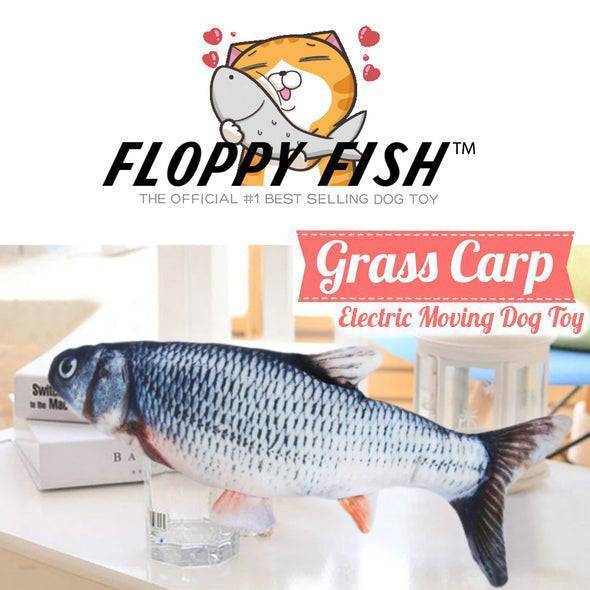
Floppy Fish Cat Toy Not Working? Your Complete Troubleshooting Guide & Solutions

Few things are more frustrating than watching your cat's excitement turn to disappointment when their favorite Floppy Fish toy suddenly stops working. You're not alone – many pet parents experience occasional hiccups with motion-activated toys, but the good news is that most issues have simple solutions you can fix at home in minutes.
This comprehensive troubleshooting guide will walk you through common problems with interactive fish cat toys, explain why they happen, and provide step-by-step solutions to get your pet's playtime back on track. Whether you're dealing with charging issues, motion sensor problems, or motor malfunctions, we've got you covered.
Why Did My Floppy Fish Cat Toy Stop Working?
Interactive pet toys like the Floppy Fish Interactive Cat Toy use sophisticated motion-activated technology to mimic real prey behavior. While this technology is generally reliable, several factors can cause your toy to stop working:
- Battery depletion: The most common issue – your toy simply needs recharging
- Motion sensor calibration: The sensor may need resetting after extended use
- Fabric obstruction: Catnip or debris blocking the motor mechanism
- Charging port issues: Dust or damage preventing proper connection
- Motor wear: Normal wear after months of enthusiastic play
Understanding these common causes helps you quickly identify and fix the problem. Most Floppy Fish toy issues resolve within 5-10 minutes of basic troubleshooting, meaning your cat won't be bored for long.

How to Fix Charging Problems With Your Motion-Activated Cat Toy
If your USB rechargeable cat toy won't charge or hold a charge, start with these systematic checks before assuming the worst:
Step 1: Inspect the USB Cable and Port
Check both ends of your USB charging cable for visible damage, bent pins, or debris. The charging port on your Floppy Fish toy can accumulate dust, pet hair, or catnip particles that prevent proper connection. Gently clean the port with a dry cotton swab or compressed air.
Step 2: Try a Different Power Source
Sometimes the issue isn't your toy – it's your power adapter. Test your charging cable with different USB ports: your computer, a wall adapter, or a power bank. If the indicator light turns red (charging) with a different power source, you've identified the problem.
Step 3: Check the Charging Indicator Light
When properly connected, your toy should display a red light while charging and switch to green when fully charged. If you see no light at all, the connection isn't being made. If the light stays red for more than 90 minutes, the battery may need replacement.
Pro tip: Always charge your interactive fish toys in a cool, dry location away from direct sunlight. Heat can degrade rechargeable batteries over time and reduce their lifespan.
Motion Sensor Not Responding? Here's What to Do
The motion sensor is the heart of your flopping fish cat toy's realistic movement. If your cat touches the toy but nothing happens, the sensor may need recalibration:
Reset the Motion Sensor System
Most motion-activated pet toys have an automatic standby mode that conserves battery. After periods of inactivity, the sensor needs a "wake up" touch. Try firmly pressing the thickest part of the fish (usually near the motor) for 2-3 seconds. This often reactivates dormant sensors.
Remove and Reinsert the Fabric Cover
The washable fabric cover on your Floppy Fish can shift during vigorous play sessions, potentially blocking the sensor. Remove the cover completely, inspect the sensor window for obstructions, and carefully reposition the cover ensuring the sensor area remains unobstructed.
Test in Different Locations
Some motion sensors can be affected by extreme temperatures or very thick carpeting. Test your toy on a hardwood floor or thin rug to rule out surface interference. If it works on hard surfaces but not carpet, this is normal – simply place a thin mat under the toy during playtime.
Understanding how motion-activated cat toys work can help you prevent sensor issues before they start and maximize your pet's interactive play experience.
Why Won't My Interactive Fish Toy Move Anymore?
When your toy powers on but won't flop or wiggle, you're likely dealing with a motor obstruction or mechanical issue. Here's how to diagnose and fix it:
Check for Fabric Bunching
Remove the outer fabric cover and inspect the motor mechanism. Sometimes the fabric bunches around the motor shaft during play, preventing normal movement. Smooth out any wrinkles and ensure the cover sits evenly when you replace it.
Verify the Catnip Pouch Placement
While catnip pouches are designed to fit in a designated pocket, enthusiastic cats can push them out of position. If the pouch has migrated near the motor, it can block movement. Remove the pouch temporarily and test the toy – if it works, reposition the pouch correctly.
Listen for Motor Sounds
Turn on your toy and listen carefully. If you hear a faint humming but see no movement, the motor is receiving power but something is blocking it. If you hear clicking sounds, this often indicates a battery that's too low to power the motor fully – charge it completely before troubleshooting further.
For toys designed for both cats and dogs, like the Floppy Fish Interactive Dog Toy, motor issues may indicate normal wear from more aggressive play. Dogs tend to play rougher than cats, which can accelerate mechanical wear.

Does the Flapping Mechanism Need Replacement?
The durability of your flopping fish toy mechanism depends on several factors: play intensity, charging habits, and maintenance. Here's how to assess whether your toy needs professional attention:
Signs of Normal Wear vs. Mechanical Failure
After 6-12 months of daily use, you may notice your toy's movements becoming slightly less vigorous. This gradual decline is normal and doesn't mean the toy is broken – it's simply the motor adjusting to extended use. However, sudden complete failure or grinding noises indicate actual mechanical problems.
When to Contact Customer Support
If you've tried all troubleshooting steps and your toy still doesn't work, reach out to the manufacturer. Most reputable brands offer warranties or replacement parts for motion-activated toys. Document when you purchased the toy and describe the specific problem for faster resolution.
Prevention is Better Than Replacement
Extend your toy's lifespan by following proper maintenance: charge regularly before complete depletion, store in cool dry places, wash the fabric cover monthly, and rotate between multiple toys to reduce wear on any single unit. Many pet parents keep 2-3 interactive cat toys in rotation for this exact reason.

How Often Should I Charge My USB Rechargeable Cat Toy?
Battery management is crucial for maintaining your motion-activated fish toy's longevity. Understanding proper charging habits prevents most battery-related problems:
Optimal Charging Schedule
For best results, charge your Floppy Fish toy after 2-3 days of regular play (15-30 minutes daily). Don't wait until the battery is completely dead – lithium batteries perform better when recharged at 20-30% capacity rather than 0%. A full charge typically takes 60-90 minutes and provides 3-4 days of active play.
Signs Your Battery Needs Charging
Watch for these indicators: slower flopping movements, delayed motion sensor response, or shorter play sessions before automatic shutoff. These subtle changes tell you it's time to recharge before the toy stops working completely.
Battery Life Expectations
Quality USB rechargeable pet toys should maintain strong performance for 300-500 charge cycles (roughly 12-18 months of daily use). If your toy holds a charge for less than 24 hours after the first few months, the battery may be defective and should be replaced under warranty.
Proper battery care applies to all your USB rechargeable cat toys, from fish toys to smart rolling balls, helping you avoid the frustration of unexpected battery failure during peak playtime.
My Cat Lost Interest – Is the Toy Broken or Just Boring?
Sometimes the problem isn't mechanical – it's behavioral. Cats are notoriously fickle creatures, and what thrilled them yesterday might bore them today:
Novelty Fatigue is Real
Interactive toys provide the most engagement when they're not constantly available. If your Floppy Fish toy has been sitting out 24/7 for weeks, your cat may have simply grown accustomed to it. Try putting it away for 3-5 days, then reintroduce it – you'll likely see renewed interest.
Rotate Your Pet's Toy Collection
Professional cat behaviorists recommend keeping 6-8 different toys but only offering 2-3 at a time. Rotate between motion-activated fish, flying bird cat toys, smart rolling balls, and plush options. This strategy keeps every toy feeling fresh and exciting.
Enhance With Catnip or Silvervine
If your toy came with a catnip pouch, replace it with fresh catnip every 2-3 weeks. About 30% of cats don't respond to catnip – if yours is one of them, try silvervine or valerian root as alternatives. Fresh attractants can reignite interest in "old" toys.
Cleaning and Maintenance: Preventing Problems Before They Start
Regular maintenance dramatically reduces the likelihood of your interactive cat toy malfunctioning. These simple habits take minutes but add months to your toy's lifespan:
Weekly Quick Check
Every few play sessions, do a 30-second inspection: check for loose threads, test the motion sensor with a quick touch, ensure the fabric cover sits properly, and remove any accumulated pet hair from the exterior. These micro-interventions catch small issues before they become big problems.
Monthly Deep Clean
Remove the fabric cover and hand wash it with mild pet-safe detergent. While the cover dries, wipe down the internal motor unit with a slightly damp cloth (never submerge it in water). Clean the USB charging port with a dry brush. Reassemble carefully, ensuring all components align correctly.
Proper Storage Matters
When not in use, store your toy in a cool, dry location away from direct sunlight and humidity. Never store it while damp from cleaning or with the battery completely depleted. These simple storage habits prevent mold growth, battery degradation, and fabric deterioration.
Proper care extends beyond fish toys – apply these same principles to all your interactive pet toys for consistent, long-lasting performance.
When Should I Replace My Interactive Fish Toy?
Even the best-maintained toys eventually reach the end of their functional life. Knowing when to replace rather than repair saves frustration and keeps your pet safely entertained:
End-of-Life Indicators
Replace your toy if you notice: fabric tears that expose internal components, the motor runs but produces grinding noises, the battery won't hold a charge for more than a few hours even after full charging, or the toy has stopped responding to all troubleshooting attempts. Safety always comes first – exposed wiring or motor parts pose risks to curious pets.
Cost-Benefit Analysis
If your toy is past warranty and needs major repairs, replacement often makes more sense than repair. New models frequently include improved motion sensors, longer battery life, and more durable materials. Plus, your pet will appreciate the novelty of a fresh toy while you benefit from updated technology.
Upgrade Opportunities
When replacing an old toy, consider diversifying your pet's collection. If you've been using a standard interactive fish, try adding LED-enhanced fish toys for visual stimulation or explore flying bird options to engage different hunting instincts.

Frequently Asked Questions About Floppy Fish Toy Problems
Why does my Floppy Fish toy stop moving after a few seconds?
This is actually a feature, not a malfunction. Motion-activated cat toys include an automatic standby mode that conserves battery when your pet isn't actively playing. The toy "wakes up" when touched and enters sleep mode after 30-60 seconds of inactivity. This intelligent design prevents battery drain and extends the toy's operational life between charges.
Can I replace the battery in my USB rechargeable fish toy?
Most USB rechargeable pet toys use internal lithium batteries that aren't designed for user replacement. However, if your toy is out of warranty and the battery has failed, some electronics repair shops can replace internal batteries. Contact the manufacturer first – they may offer battery replacement services or provide instructions for safe DIY replacement.
My toy works but moves more slowly than when new – is this normal?
Yes, some performance decline is normal after 6-12 months of regular use. Motors naturally lose a small amount of power over time, especially with daily use. As long as the toy still triggers your cat's interest and provides exercise, slightly slower movement isn't a problem. If movement becomes barely noticeable or stops entirely, then troubleshooting is needed.
How do I know if my toy is waterproof or water-resistant?
Standard Floppy Fish interactive toys are NOT waterproof – the fabric cover is washable, but the internal motor unit should never be submerged in water. Only the outer fabric cover should get wet during cleaning. Smart rolling balls typically have waterproof silicone shells, but fish toys with motors are designed for dry play only. Always check product specifications before exposing any electronic toy to moisture.
Why does my toy work on hard floors but not carpet?
Motion-activated fish toys rely on flopping movements that require a relatively smooth, firm surface. Very thick or plush carpeting can dampen the flopping action, making it harder for your cat to see the movement. This isn't a defect – it's a physics limitation. Try placing a thin play mat or piece of cardboard under the toy when using it on thick carpet to restore full movement range.
Keep Your Pet Entertained With Reliable Interactive Toys
Troubleshooting your Floppy Fish toy doesn't have to be complicated. Most issues resolve quickly with basic maintenance, proper charging habits, and understanding how motion-activated technology works. By following the solutions in this guide, you'll minimize downtime and maximize your pet's enjoyment.
Remember that prevention beats repair every time. Regular cleaning, proper storage, optimal charging schedules, and toy rotation keep your interactive cat toys working smoothly for months or even years. When your pet's favorite toy functions reliably, they stay mentally stimulated, physically active, and behaviorally balanced – which means fewer destroyed curtains, midnight zoomies, and stress-related behaviors.
Ready to upgrade your pet's toy collection or replace a worn-out favorite? Explore our complete range of best-selling interactive pet toys designed to keep cats and dogs engaged, active, and happy. From motion-activated fish to flying birds and smart rolling balls, find the perfect solution for your pet's play style.
Shop now and give your pet the gift of endless entertainment – backed by quality construction, USB rechargeable convenience, and the engaging motion they can't resist. Your pet deserves toys that work as hard as they play!