Do Motion-Activated Toys Help With Cat Weight Loss? The Vet-Backed 2026 Guide
Over 60% of pet cats in the United States are overweight or obese, according to the Association for Pet Obesity Prevention. If your indoor cat has been packing on extra pounds, you're not alone in searching for realistic, sustainable weight loss solutions that don't require constant supervision or exhausting play sessions.
Motion-activated cat toys are emerging as one of the most effective tools for feline weight management – not because they're magic bullets, but because they solve the core problem: getting sedentary indoor cats to move consistently, even when you're busy or away from home.
This comprehensive 2026 guide explores the science-backed connection between interactive play and cat weight loss, how motion-activated toys work for overweight cats, and practical strategies veterinarians recommend for sustainable results.

Why Indoor Cats Struggle With Weight Gain
Indoor cats face unique metabolic challenges that outdoor cats don't experience. Without natural hunting opportunities, territory patrol, or environmental stimulation, their daily calorie expenditure plummets while their feeding schedules often remain unchanged.
The average indoor cat burns 200-250 calories daily, but many owners feed portions designed for more active lifestyles. This caloric surplus, combined with boredom-driven eating and sedentary behavior, creates a perfect storm for weight gain.
Traditional weight loss approaches – restrictive diets alone or forced exercise – often fail because they don't address the underlying behavioral issue: indoor cats lack motivation to move. Motion-activated toys change this equation by triggering natural hunting instincts that make movement rewarding rather than forced.
The Science Behind Motion-Activated Toys and Feline Weight Loss
Veterinary behaviorists have identified a crucial connection between predatory play and calorie expenditure in cats. When a toy mimics realistic prey movement – unpredictable direction changes, sudden stops, erratic speed – it activates the complete hunt-catch-consume-groom cycle that drives natural feline activity.
A 10-pound cat engaged in active predatory play burns approximately 3-5 calories per minute. While this might seem modest, consistent daily play sessions of 20-30 minutes can create a calorie deficit of 60-150 calories – enough to support gradual, healthy weight loss when combined with proper portion control.
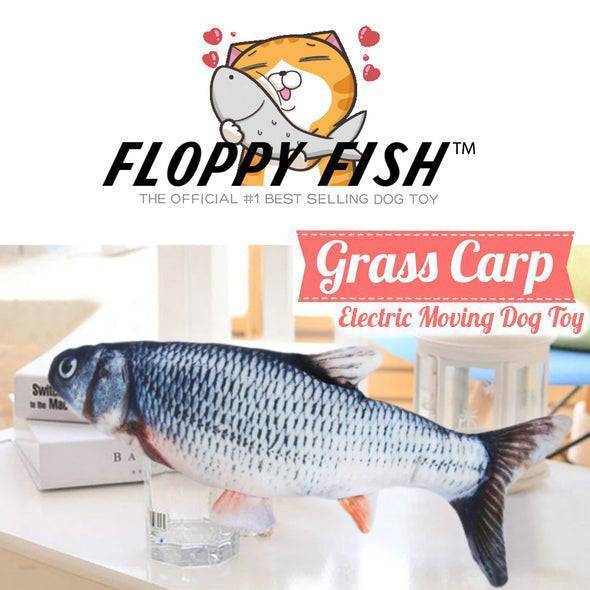
The Floppy Fish Interactive Cat Toy exemplifies this principle perfectly. Its motion-activated design responds to your cat's touch with realistic flopping movements that simulate wounded prey – the exact trigger that compels even lazy cats to pounce, chase, and wrestle repeatedly.

How Motion-Activated Toys Create Sustainable Exercise Routines
The biggest advantage of motion-activated toys for overweight cats isn't intensity – it's consistency. These toys work independently, encouraging multiple short bursts of activity throughout the day rather than relying on you to initiate every play session.
Veterinarians recommend "little and often" exercise for overweight cats rather than exhausting marathon sessions. An overweight cat can't sustain intense play for long periods, but motion-activated toys allow them to engage for 2-3 minutes, rest, then return when their energy rebounds – naturally creating the interval training pattern ideal for weight loss.
The Flying Bird Cat Toy provides another dimension of calorie-burning activity. Its flapping wings and chirping sounds trigger vertical leaping and aerial batting movements that engage core muscles and burn more calories than ground-level play alone.
Best Motion-Activated Toys for Overweight Cats in 2026
Not all interactive toys deliver equal weight loss results. The most effective options for overweight cats share these characteristics:
Autonomous movement capability that doesn't require constant owner intervention. The Smart Rolling Ball exemplifies this perfectly with its self-moving technology and motion sensors that activate when your cat shows interest.
Realistic prey simulation that maintains engagement beyond initial novelty. Toys with lifelike movement patterns, like the realistic flopping motion of interactive fish toys, keep cats returning for repeated play sessions throughout the day.
USB rechargeable batteries ensure consistent performance without the declining power that causes battery-operated toys to move sluggishly. Weak, slow-moving toys won't stimulate the vigorous play overweight cats need for calorie burning.
Size appropriate for carrying and wrestling, since full-body engagement burns more calories than simple pawing. The 11-inch length of most Floppy Fish toys encourages cats to grasp, kick, and wrestle – activating major muscle groups.
Creating a Weight Loss Play Schedule With Motion-Activated Toys
Strategic toy placement and rotation maximize daily activity without creating dependence on your schedule. Place motion-activated toys in different locations where your cat naturally travels – near food bowls, favorite napping spots, or along hallway routes.
Morning activation sessions (5-10 minutes before breakfast) help establish routine while creating positive associations between play and meals. This mimics the natural hunt-before-eating pattern that keeps metabolism active.
Midday autonomous play occurs naturally when toys remain accessible in multiple locations. An overweight cat might not seek out stationary toys, but motion-activated options that respond to casual investigation encourage spontaneous activity bursts.
Evening interactive sessions (15-20 minutes) should involve you actively engaging your cat with toys while monitoring their exertion level. Watch for panting or reluctance to continue – signs that overweight cats need rest breaks.
Explore our complete range of motion-activated cat toys designed for various play styles and energy levels.

Combining Motion-Activated Toys With Weight Loss Diet Plans
Exercise alone won't produce weight loss if calorie intake remains too high, but restrictive diets without increased activity often cause muscle loss rather than healthy fat reduction. The optimal approach combines gradual calorie reduction (approximately 10-15% below maintenance) with consistent daily exercise from motion-activated toys.
Veterinary nutritionists recommend measuring food portions precisely rather than free-feeding. An overweight 15-pound cat typically needs 180-220 calories daily for gradual weight loss, compared to 250-300 for weight maintenance.
Timing meals after play sessions reinforces the natural hunt-catch-consume cycle that regulates feline metabolism. The post-play meal becomes a reward that strengthens motivation for future activity while supporting muscle preservation during weight loss.
Real Results: What Pet Parents Report After Using Motion-Activated Toys
Veterinary weight management studies show that cats using interactive toys alongside portion-controlled diets lose weight 30-40% faster than diet-only approaches, with better muscle mass retention and fewer behavioral problems during the process.
Pet owners consistently report that previously sedentary cats begin initiating play sessions independently once motion-activated toys are introduced. This behavioral shift – from passive to active – represents the fundamental change necessary for sustainable weight management.
Average weight loss timelines with consistent motion-activated toy use:
- Weeks 1-4: Minimal scale changes but increased activity levels and improved mood
- Weeks 5-8: Gradual weight loss of 1-2% body weight (safe, sustainable rate)
- Weeks 9-16: Continued steady loss with visible body composition changes
- Month 4+: Maintenance of healthy weight with ongoing toy-based activity
The key insight: motion-activated toys don't produce dramatic overnight results, but they create the consistent daily activity that makes gradual, healthy weight loss achievable without constant owner supervision.
Addressing Safety Concerns for Overweight Cats
Overweight cats face unique safety considerations during exercise. Their reduced cardiovascular fitness, joint stress, and heat regulation challenges require gradual activity increases rather than sudden intense play.
Start with short sessions (3-5 minutes) several times daily rather than pushing for extended play. Motion-activated toys excel here because they allow cats to self-regulate intensity and duration based on their current fitness level.
Monitor for signs of overexertion: excessive panting, drooling, reluctance to continue, or lying down mid-play. Overweight cats tire more quickly and need frequent rest breaks. The automatic pause feature on many motion-activated toys naturally creates these recovery intervals.
Ensure adequate hydration by placing water bowls near toy areas. Active play increases water needs, especially for overweight cats already at risk for urinary problems.
For more insights on exercise benefits, read our guide on how interactive toys support pet health.
Beyond Weight Loss: Additional Health Benefits of Daily Play
Weight loss represents just one benefit of increased activity from motion-activated toys. Veterinarians observe multiple health improvements in previously sedentary cats who begin regular interactive play:
Joint mobility often improves as weight decreases and muscles strengthen to support compromised joints. The low-impact nature of toy-based play is gentler than forced exercise while still providing therapeutic movement.
Behavioral problems frequently diminish when cats expend energy through appropriate hunting play rather than destructive scratching, nighttime activity, or attention-seeking aggression. Many "behavior problems" are actually symptoms of insufficient mental and physical stimulation.
Digestive health improves with regular activity that stimulates intestinal motility and reduces constipation – common in overweight, sedentary cats. The post-play relaxation period also supports better food digestion and nutrient absorption.

Special Considerations for Senior and Arthritic Overweight Cats
Older cats carrying extra weight face compounded challenges from both obesity and age-related joint issues. Motion-activated toys benefit this population specifically because they eliminate the pressure to perform extended play sessions that painful joints can't sustain.
Choose toys with gentler movement patterns rather than erratic, high-speed options that require sudden direction changes. The smooth, predictable flopping motion of interactive fish cat toys allows arthritic cats to engage without joint-jarring sudden movements.
Place toys on soft surfaces like rugs or cat beds rather than hard floors that stress already-compromised joints. Elevated play surfaces can also reduce the need for painful floor-to-standing transitions.
Combine motion-activated toy use with veterinary-recommended joint supplements and pain management strategies. Exercise supports joint health, but shouldn't cause pain that discourages future activity.
Multi-Cat Households: Weight Management Strategies
When some cats are overweight while others maintain healthy weights, individual activity tracking becomes crucial. Motion-activated toys help because they encourage self-directed play that doesn't require separating cats or complex scheduling.
Create multiple play stations throughout your home so cats can engage independently without competition for a single toy. Having several motion-activated options available prevents resource guarding and ensures overweight cats aren't excluded by more agile housemates.
Consider different toy types for different play styles. Some overweight cats prefer ground-level stalking toys while others engage more enthusiastically with aerial or vertical options like the Flying Bird toy.
Monitor individual cats during play to ensure overweight cats aren't being displaced by more active housemates. Provide some solo play opportunities for cats who seem hesitant to compete.
Long-Term Maintenance: Preventing Weight Regain
The real challenge isn't initial weight loss – it's maintaining healthy weight once achieved. Motion-activated toys provide the sustainable solution because they become permanent fixtures of your cat's enrichment environment rather than temporary diet aids.
Rotate different motion-activated toys weekly to maintain novelty without creating dependence on any single toy. The variety prevents habituation while ensuring consistent daily activity regardless of which specific toy captures your cat's interest that week.
Continue monitoring body condition and weight monthly even after reaching goals. Small increases caught early are far easier to address than waiting until significant regain occurs.
Celebrate non-scale victories: increased activity initiating from your cat, visible muscle definition, improved jumping ability, longer play sessions before tiring. These behavioral and physical markers often precede measurable weight changes but indicate successful habit formation.
For additional enrichment ideas, explore our comprehensive guide on keeping cats active indoors.

Veterinary Recommendations: What Professionals Say
Board-certified veterinary nutritionists emphasize that sustainable feline weight loss requires addressing both sides of the energy equation: calorie intake and expenditure. Motion-activated toys uniquely solve the expenditure challenge for busy pet parents who can't dedicate hours daily to interactive play.
Veterinarians increasingly recommend specific product features rather than generic "play with your cat" advice. They look for USB rechargeable options that maintain consistent performance, realistic movement patterns that sustain engagement, and autonomous operation that doesn't burden already-busy owners.
The professional consensus: motion-activated toys aren't optional enrichment for overweight cats – they're essential medical tools supporting metabolic health, cardiovascular fitness, and sustainable weight management in ways that diet restriction alone cannot achieve.
Taking the First Step Toward a Healthier, Happier Cat
Your overweight cat's weight loss journey doesn't require expensive equipment, complicated schedules, or hours of your daily time. It requires the right tools that make movement naturally rewarding – and motion-activated toys deliver exactly this by transforming sedentary indoor cats into active hunters engaging their instincts multiple times daily.
Start with one high-quality motion-activated toy placed in your cat's favorite lounging area. Observe which movement patterns capture their interest most strongly. Add variety gradually as you identify their play preferences and build their fitness level.
Remember that healthy weight loss takes time – typically 6-12 months for significantly overweight cats to reach optimal weight safely. Motion-activated toys support this gradual process by making daily activity consistent and self-sustaining rather than dependent on temporary motivation or unsustainable owner involvement.
Ready to transform your cat's health through natural, engaging play? Explore our complete collection of interactive cat toys designed to trigger hunting instincts, burn calories, and create the consistent daily activity that makes feline weight management finally achievable for busy pet parents.