New Year, New Play: The Ultimate 2026 Pet Toy Resolution Guide

As we welcome 2026, pet parents everywhere are making resolutions – not just for themselves, but for their furry family members too. This year, the most important commitment you can make isn't another gym membership or diet plan. It's ensuring your cat or dog gets the mental stimulation, physical exercise, and enrichment they truly deserve.
The start of a new year offers the perfect opportunity to refresh your pet's toy collection, establish healthier play routines, and address behavioral issues that may have developed over the past year. Whether your indoor cat has become increasingly sedentary or your dog shows signs of boredom-related anxiety, 2026 is the year to transform their daily life through interactive play.
This comprehensive guide explores the best pet toy resolutions for the new year, from motion-activated entertainment to enrichment strategies that keep pets happy, healthy, and engaged throughout 2026 and beyond.
Why Pet Enrichment Should Be Your Top 2026 Resolution
Most New Year's resolutions fail within weeks because they lack specific, actionable plans. The same applies to pet care goals. Vague intentions like "play with my cat more" rarely translate into consistent behavioral changes for you or meaningful improvements for your pet.
The solution? Make interactive pet toys your resolution strategy. Motion-activated toys provide enrichment whether you're home or away, eliminating the guilt many busy pet parents feel when work schedules prevent dedicated playtime. These tools transform good intentions into reliable daily engagement.
Indoor cats face particular challenges that intensify during winter months when outdoor wildlife viewing decreases. Without proper stimulation, cats develop stress behaviors like excessive grooming, nighttime activity, or inappropriate scratching. Dogs confined indoors during cold weather similarly need outlets for their natural energy and hunting instincts.
The benefits of committing to better pet enrichment in 2026 extend beyond behavioral improvements. Veterinarians consistently report that cats and dogs with regular interactive play show reduced obesity rates, lower stress hormones, improved sleep patterns, and stronger immune function. Your pet's physical and mental health literally depends on the enrichment opportunities you provide.

Resolution #1: Establish a Daily Interactive Play Routine
The first and most impactful resolution for 2026 involves creating consistent play schedules rather than sporadic, guilt-driven sessions. Cats and dogs thrive on routine – their internal clocks expect feeding, play, and rest at predictable times.
Behavioral experts recommend two 15-minute play sessions daily for cats, ideally timed around dawn and dusk when their hunting instincts naturally peak. For dogs, the recommendation increases to 30-60 minutes spread across morning and evening sessions, depending on breed energy levels and age.
The challenge? Most pet parents struggle to maintain this schedule consistently. Work obligations, family responsibilities, and simple forgetfulness derail even the best intentions within weeks of January 1st.
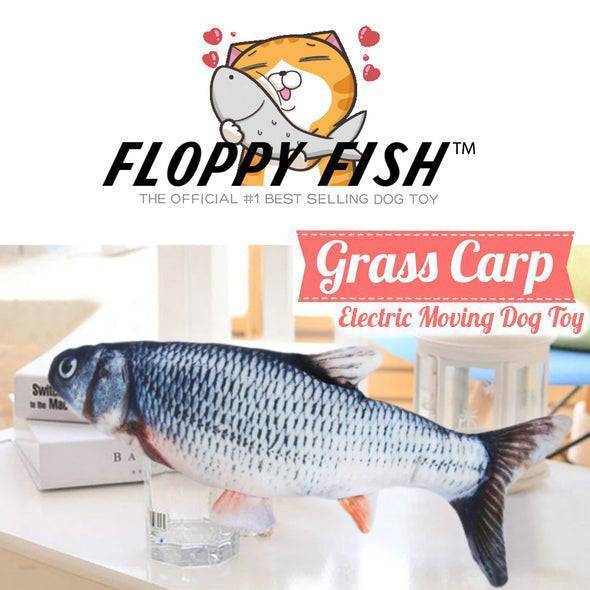
Motion-activated toys solve the consistency problem. The FLOPPY FISH™ Interactive Toy for Cats responds to your cat's touch throughout the day, creating play opportunities whenever their hunting instincts activate. This technology ensures your pet receives stimulation even during your busiest days, transforming your resolution from aspirational to achievable.
For multi-pet households, establishing separate play sessions prevents competition and ensures each animal receives individual attention. Interactive toys that activate independently allow pets to self-entertain while you focus on bonding time with other household animals.
Resolution #2: Upgrade from Static Toys to Interactive Entertainment
Take inventory of your current pet toy collection. If you're like most pet parents, you'll find a graveyard of abandoned playthings – static balls, worn feathers, and plush toys your pet ignored after the first day. These represent wasted money and missed enrichment opportunities.
The 2026 resolution? Replace passive toys with interactive alternatives that maintain long-term engagement through realistic movement and sensory stimulation.
Traditional toys fail because they offer no challenge or variability. Once a cat bats a ball across the floor twice, the "prey" becomes predictable and boring. Once a dog tears the squeaker from a plush toy, it transforms from engaging plaything to ignored debris.
Interactive toys with motion sensors create unpredictable prey behavior that mirrors what cats and dogs would encounter hunting in nature. The FLOPPY FISH™ Flying Bird Cat Toy flaps and chirps in response to touch, but then enters standby mode – creating the start-stop patterns that trigger hunting sequences. This unpredictability maintains interest across weeks and months rather than hours.
When evaluating toys for upgrade candidates, prioritize those offering multiple sensory inputs. Visual movement alone engages cats briefly. Combine that movement with authentic sounds, interesting textures, and catnip integration, and you create comprehensive enrichment that satisfies multiple hunting instincts simultaneously.
For dogs, the upgrade from static plush to interactive motion toys addresses similar boredom issues. Motion-activated fish toys provide the chase element dogs crave without requiring constant human participation to throw balls or drag ropes.

Resolution #3: Address Winter Indoor Activity Challenges
January and February present unique challenges for pet enrichment. Shortened daylight hours, cold temperatures, and hazardous weather conditions keep cats and dogs indoors significantly more than during warmer months. This confinement intensifies boredom and can trigger behavioral problems that persist even after weather improves.
The winter activity gap affects different pets in distinct ways. Indoor-only cats lose their primary entertainment – watching birds and wildlife through windows – when winter reduces outdoor animal activity. Dogs accustomed to daily walks become restless when ice, snow, or bitter cold limits outdoor exercise.
Your 2026 resolution should specifically address these seasonal challenges rather than assuming spring will solve the problem naturally. Behavioral issues that develop during winter confinement often become ingrained habits requiring months of correction work.
Strategic toy placement creates indoor hunting grounds that compensate for limited outdoor stimulation. Position interactive cat toys near windows where cats naturally station themselves for wildlife viewing. This replaces passive watching with active engagement when outdoor entertainment disappears.
For dogs, weather-resistant indoor play becomes essential. Motion-activated toys that withstand enthusiastic play provide outlets for pent-up energy that would normally discharge during walks. The USB rechargeable feature of premium interactive toys means consistent performance regardless of how frequently your dog needs indoor entertainment during extended bad weather periods.
Resolution #4: Solve Separation Anxiety Through Independent Play
Separation anxiety affects millions of pets, creating stress for both animals and owners. The condition worsens during winter when holiday travel, return-to-office mandates, and school schedule changes disrupt the routines pets established during extended home periods.
Traditional advice for separation anxiety – gradual desensitization, crate training, calming supplements – addresses symptoms without solving the core problem. Anxious pets need productive activities to occupy their minds during alone time, not just coping mechanisms for managing distress.
Make 2026 the year you give your pet genuine entertainment options rather than expecting them to simply tolerate solitude. Motion-activated toys provide this critical distraction by creating engaging activities that don't require human participation.
The key difference between passive comfort items and interactive enrichment lies in mental engagement. A plush toy offers tactile comfort but no challenge. A motion-activated bird or fish toy demands focus, problem-solving, and physical activity – occupying the anxious mind with productive hunting behaviors rather than destructive stress responses.
For severe cases, veterinary behaviorists recommend combining interactive toys with other anxiety management strategies. The toys shouldn't replace professional treatment but rather provide the environmental enrichment component that medications and training alone cannot deliver.
Pet parents report that cats and dogs with access to quality interactive toys show reduced separation distress symptoms within 2-3 weeks. The pets still prefer their owners' presence but tolerate alone time more gracefully when they have engaging alternatives to anxious behaviors like excessive vocalization or destructive chewing.
Resolution #5: Commit to USB Rechargeable Toy Technology
If you're still buying battery-operated pet toys in 2026, you're wasting money and limiting your pet's play opportunities. Dead batteries mean inactive toys exactly when your cat or dog needs entertainment most – and most pet parents don't notice the toy stopped working until their pet's behavioral issues reveal the problem.
Make the new year commitment to USB rechargeable technology exclusively. The initial investment costs more than disposable battery alternatives, but the long-term value and consistent performance justify the upgrade.
USB rechargeable toys maintain consistent power output throughout their charge cycle, unlike disposable batteries that gradually weaken and create sluggish toy movement. This consistency means your pet experiences the same engaging play on day three after charging as they did on day one. Weak batteries create disappointing play experiences that teach cats to ignore toys – exactly the opposite of your enrichment goals.
Environmental benefits add another compelling reason for this resolution. The average pet household using battery-operated toys discards 30-50 batteries annually. Multiply that across millions of pet-owning families, and the environmental impact becomes staggering. USB rechargeable toys eliminate this waste entirely while saving you the recurring expense of battery purchases.
Practical convenience matters too. USB charging means using the same cables and ports you already have for phones and tablets. No more emergency midnight trips to stores when you discover dead toy batteries, no more drawer full of partially-used battery packs, no more toys that fail exactly when your pet needs distraction during fireworks or thunderstorms.

Resolution #6: Rotate Toys Strategically to Maintain Novelty
Even the best interactive toy loses some appeal when available 24/7 for months. Cats and dogs habituate to constant stimuli, meaning their brains gradually filter out ever-present items as background rather than engaging novelty.
Pet behaviorists recommend toy rotation schedules where items appear, disappear, and reappear on predictable cycles. This strategy makes "old" toys feel new again when they return after absence – extending the effective lifespan of your toy investment significantly.
Create a 2026 toy rotation calendar with weekly or bi-weekly cycles. During week one, make the flying bird toy available while storing the interactive fish. Week two, swap them. When the bird toy returns in week three or four, your cat responds with renewed interest as if receiving a brand new plaything.
The rotation strategy works because it leverages your pet's natural curiosity while preventing the boredom that comes from constant availability. Novel objects trigger exploration behaviors that familiar objects cannot – even when the "novel" object is actually something your pet played with two weeks ago.
Document your rotation schedule to avoid accidentally leaving the same toy out too long. Phone calendar reminders work well for busy pet parents who might otherwise forget the rotation day. Some families designate Sunday evenings as "toy swap night," creating a household routine that ensures consistency.
Pair toy rotation with environmental changes for maximum enrichment impact. When you introduce the flying bird toy, place it in a new location rather than the same spot it occupied during its previous availability period. This combination of toy novelty and environmental novelty provides double the enrichment value.
Resolution #7: Invest in Multi-Sensory Enrichment
Single-feature toys – those offering only visual stimulation or only auditory interest – engage pets briefly but fail to provide comprehensive enrichment. Make 2026 the year you prioritize toys that satisfy multiple senses simultaneously.
Cats possess extraordinary sensory capabilities evolved for hunting. Their vision detects subtle movements that humans miss. Their hearing identifies high-frequency sounds we cannot perceive. Their tactile whiskers sense air pressure changes around moving prey. Quality interactive toys engage all these senses rather than just one.
The Flying Bird Cat Toy exemplifies multi-sensory design. It provides visual movement through flapping wings, auditory stimulation via authentic chirping, tactile feedback through its plush exterior, and olfactory interest from integrated catnip. This comprehensive approach triggers multiple hunting instinct pathways simultaneously.
For dogs, multi-sensory enrichment focuses more on texture variety and movement unpredictability. Interactive toys that flop and wiggle engage dogs' prey drive while soft plush exteriors satisfy their need for tactile comfort during post-play cuddle time.
When evaluating toys for multi-sensory value, consider what each design element contributes. LED lights add visual interest beyond simple movement. Realistic chirping or squeaking creates auditory hunting cues. Refillable catnip pouches engage the olfactory system. Varied textures – smooth fish scales, fuzzy bird feathers – provide tactile diversity. The more senses a toy engages, the more completely it satisfies your pet's enrichment needs.
Resolution #8: Create Dedicated Play Zones in Your Home
Environmental design significantly impacts how effectively pets use their toys. Random toy placement throughout your home seems logical – more locations mean more play opportunities. Research shows the opposite. Designated play zones with thoughtful toy positioning generate more engagement than scattered toys pets encounter randomly.
Identify your cat's natural activity areas – places they already spend significant time. Window perches, sunny spots, elevated cat trees, and quiet corners away from household traffic all make excellent play zone locations. Position interactive toys in these preferred spaces rather than forcing your cat to play where it's convenient for you.
For cats, vertical space matters as much as horizontal floor area. Elevated play zones satisfy cats' instinctual preference for high vantage points while providing security that encourages longer play sessions. Place toys on cat trees or shelving where cats can observe their environment while engaging with interactive entertainment.
Dogs require different play zone considerations. Open floor space for running and pouncing becomes essential. Remove fragile items that might break during enthusiastic play. Hard floors work better than carpet for toys that roll or flip – the smooth surface allows better movement that triggers stronger prey drive responses.
Lighting affects play zone effectiveness too. Cats see better in low light than humans, but they still prefer some ambient lighting during active play. Position play zones near windows for natural daytime light, and ensure adequate evening lighting for safe nighttime play sessions.
Resolution #9: Monitor Play Patterns to Identify Enrichment Gaps
Most pet parents never track their animals' play behaviors, missing valuable information about enrichment effectiveness. Make 2026 the year you become an informed observer of your pet's activity patterns.
Start by establishing baseline measurements. For one week, note when your cat or dog plays, how long sessions last, which toys generate engagement, and what times of day show peak activity. This baseline reveals patterns you've never consciously recognized.
Common patterns that indicate enrichment gaps include:
- Short play sessions under 5 minutes suggesting toys don't maintain interest
- Nighttime activity spikes indicating insufficient daytime stimulation
- Toy preference shifts revealing habituation to previous favorites
- Destructive behaviors at specific times showing boredom during predictable periods
- Weight gain despite adequate food portions suggesting insufficient activity levels
Once you've identified gaps, address them systematically. If your cat shows intense activity at 3 AM, ensure motion-activated toys remain available during evening hours when you cannot provide interactive play. If your dog ignores all toys after 2-3 days, implement more frequent rotation schedules to maintain novelty.
Modern pet parents can leverage technology for tracking. Phone notes, dedicated pet care apps, or simple spreadsheets help identify patterns that aren't obvious from casual observation. Some motion-activated toys even provide usage data, though most require manual tracking.

Resolution #10: Pair Interactive Toys with Other Enrichment Activities
Interactive toys provide crucial entertainment, but complete enrichment requires variety. Your 2026 resolution should include integrating toys with complementary activities that address different aspects of your pet's mental and physical needs.
Puzzle feeders transform meals into problem-solving challenges, engaging cognitive abilities that motion toys cannot address. Slow feeder bowls extend eating time while preventing digestive issues from rapid consumption. Food-dispensing toys combine the satisfaction of hunting with nutritional rewards that reinforce play behaviors.
Environmental enrichment beyond toys matters significantly. Cat-safe plants, window bird feeders, vertical climbing structures, and hiding spaces create a complete indoor habitat rather than a sterile environment with a few toys scattered around. Think of interactive toys as one component in a comprehensive enrichment ecosystem.
Social enrichment deserves attention too. While motion-activated toys provide independent entertainment, they shouldn't completely replace human interaction. Schedule dedicated bonding time using interactive wand toys, training sessions, or simple petting and grooming. These social connections reduce anxiety and strengthen your relationship with your pet.
For multi-pet households, monitor how animals interact during play. Some cats and dogs enjoy social play with housemates, making shared toys appropriate. Others prefer solitary hunting experiences, requiring separate toys and play zones to prevent conflict.
Making Your 2026 Pet Resolutions Last All Year
The difference between successful resolutions and abandoned January intentions lies in sustainability. Creating systems that work automatically requires less willpower and generates better long-term results than relying on daily motivation.
Calendar reminders for toy rotation, charging schedules, and play sessions remove the decision-making burden. When your phone prompts you to swap toys every Sunday evening, you don't need to remember the task independently. When charging reminders appear before batteries die, your pet never experiences toy downtime.
Financial planning supports resolution sustainability too. Rather than impulsive toy purchases that create clutter, establish a quarterly budget for toy evaluation and rotation. This scheduled approach ensures you address enrichment needs consistently rather than reactively responding to behavioral problems after they develop.
Track progress visibly. A simple wall chart showing days with successful play sessions provides motivation similar to fitness trackers for human exercise. Watching consistency streaks grow encourages continued effort while revealing patterns when life disruptions interfere with routines.
Adjust expectations seasonally. Your pet's enrichment needs change with weather, daylight hours, and household activity levels. Winter requires more intense indoor enrichment than summer when windows provide natural entertainment. Spring brings increased energy as daylight extends. Fall transitions require gradual increases in indoor activity options.
Frequently Asked Questions About Pet Toy Resolutions for 2026
Q: How many interactive toys does my cat need for proper enrichment?
A: Most cats thrive with 3-5 interactive toys in rotation, ensuring at least one toy simulates aerial prey (birds), one simulates ground prey (mice/insects), and one simulates aquatic prey (fish). This variety addresses different hunting instinct triggers. Start your 2026 resolution with one quality motion-activated toy, then add complementary options monthly based on your pet's play patterns and preferences. The interactive cat toy collection offers options covering all prey categories.
Q: Can interactive toys really help with my dog's separation anxiety by 2026?
A: Interactive toys significantly reduce separation anxiety symptoms when used as part of a comprehensive management plan. They provide mental stimulation and productive activity during alone time, redirecting anxious energy into hunting behaviors. However, severe cases require veterinary behaviorist consultation alongside toy enrichment. Most pet parents notice behavioral improvements within 3-4 weeks of consistent interactive toy availability. Combining motion-activated entertainment with calming comfort toys addresses both active engagement needs and emotional security simultaneously.
Q: What's the most important New Year's resolution for senior pets?
A: Senior cats and dogs benefit most from low-impact interactive toys that provide mental stimulation without requiring extensive jumping or running. Motion-activated toys excel here because the toy comes to your pet rather than requiring chase behaviors. Position toys at ground level where arthritic pets can easily engage. The realistic sounds help senior pets with declining vision locate toys through auditory cues. Start 2026 by assessing your senior pet's mobility limitations and choosing toys that match their current capabilities rather than their youth activity levels.
Q: How do I know if my pet's New Year enrichment plan is working?
A: Successful enrichment shows through multiple indicators including increased play duration, reduced destructive behaviors, improved sleep patterns, healthier weight, decreased stress vocalization, and more confident body language. Track these markers during January to establish your 2026 baseline, then reassess monthly. If you see no improvements after 4 weeks with quality interactive toys and consistent play schedules, consult your veterinarian to rule out medical issues affecting activity levels.
Q: Should I buy new toys for New Year's or can I revitalize existing ones?
A: Both strategies work depending on your current toy quality. Premium interactive toys with USB rechargeable batteries justify cleaning and revitalizing for continued use. Replace catnip pouches, wash removable covers, and recharge batteries to restore like-new performance. However, disposable battery toys that stopped working or cheap toys your pet ignores should be replaced entirely. Make 2026 the year you invest in quality over quantity – fewer premium interactive toys generate better enrichment than drawers full of abandoned cheap alternatives.
Q: Can motion-activated toys work for multi-pet households in 2026?
A: Motion-activated toys excel in multi-pet homes because they respond to any animal's touch, preventing toy possession conflicts that occur with human-directed play. Multiple pets can take turns or play simultaneously depending on toy size. However, provide sufficient toy quantity – generally one interactive toy per pet plus one extra. Strategic placement in different areas reduces competition. Monitor initial interactions to ensure all pets access toys comfortably without bullying from dominant household members. Rotate toys between locations to prevent territorial associations.
Your 2026 Pet Enrichment Action Plan
Transforming New Year's intentions into lasting improvements requires specific, actionable steps rather than vague goals. Here's your month-by-month implementation plan for making 2026 your pet's best year yet.
January: Foundation Building
Assess your current toy collection and identify gaps. Invest in one premium motion-activated toy that matches your pet's primary hunting preference. For cats watching birds through windows, choose a flying bird option. For cats fascinated by fish tanks or water, select an interactive fish toy. Establish baseline play tracking to measure future progress.
February: Routine Establishment
Create consistent play schedules that work with your lifestyle rather than against it. Set phone reminders for morning and evening play sessions. Document what times generate best engagement – this reveals your pet's natural activity peaks. Add a second interactive toy providing different prey simulation than your January purchase.
March: Rotation Implementation
Now that you have multiple quality toys, implement your rotation schedule. Store toys in a designated container so they're readily available when rotation day arrives. Notice how your pet responds to toy reappearances after brief absences – this demonstrates whether rotation frequency needs adjustment.
April-June: Environmental Enhancement
Spring brings longer days and increased activity. Expand your enrichment strategy beyond toys to include environmental improvements. Add vertical climbing spaces for cats, create dedicated play zones, or install window perches for outdoor viewing. Complement interactive toys with puzzle feeders and training activities.
July-September: Maintenance and Adjustment
Summer heat may limit outdoor activity for dogs, increasing indoor enrichment needs. Evaluate what's working and what needs adjustment. Replace any toys showing wear, refresh catnip pouches, and clean all interactive toys thoroughly. Consider adding new varieties to maintain novelty through autumn.
October-December: Year-End Assessment
Compare your pet's behavior now versus January baseline measurements. Celebrate improvements in activity levels, weight management, and stress reduction. Plan 2027 enrichment goals based on lessons learned throughout 2026.

Start Your Best Pet Year Ever
Every January brings promises of positive change, but most resolutions fade by February. The difference between fleeting intentions and lasting improvements lies in choosing goals that work automatically rather than requiring constant willpower.
Interactive pet toys represent that automatic solution. Once you've invested in quality motion-activated entertainment, the toys provide daily enrichment whether you're home or away, motivated or exhausted, busy or available. Your pet receives consistent mental stimulation and physical activity that transforms their daily life regardless of your schedule's demands.
The behavioral improvements, health benefits, and strengthened bond between you and your pet make this resolution uniquely rewarding. Unlike diet and exercise goals that often feel like obligations, watching your previously lethargic cat suddenly pounce enthusiastically or your anxious dog relax into confident play creates joy that motivates continued commitment.
Make 2026 the year you finally solve your pet's boredom, address behavioral issues at their source, and provide the enrichment every indoor cat and dog deserves. Start with one quality interactive toy from our complete collection, implement the strategies outlined in this guide, and watch your pet transform into the active, engaged, happy companion you've always wanted them to be.
Your pet's best year starts today. Browse our best-selling interactive toys and give your furry friend the gift of daily enrichment, mental stimulation, and genuine happiness throughout 2026 and beyond.