Remote Control Flying Bird Cat Toy: Does It Actually Work? [2026 Buyer's Guide]

The search for the perfect interactive cat toy can feel endless – especially when you're scrolling through dozens of options that promise engagement but deliver disappointment. If you've been eyeing remote control flying bird cat toys, you're probably wondering: do these actually work, or are they just another gimmick?
Here's the truth: remote control bird toys can be game-changers for indoor cats – but only if you understand what they actually do (and don't do). Let's cut through the marketing fluff and explore whether a remote control flying bird cat toy deserves a spot in your pet's toy rotation.
What Exactly Is a Remote Control Flying Bird Cat Toy?
A remote control flying bird cat toy is an interactive pet toy designed to mimic bird movements through manual control or motion-activated sensors. Unlike traditional feather wands that require constant human participation, these toys offer a middle ground between autonomous play and interactive bonding.
Most models feature realistic elements like flapping wings, chirping sounds, and unpredictable movements that trigger your cat's hunting instincts. The "remote control" aspect typically refers to either a handheld controller that lets you direct movement patterns, or motion sensors that respond when your cat touches the toy.
Here's what makes them different from standard toys: they combine the engagement of interactive play with enough automation to give your arms a break. Think of it as having a bird simulator that doesn't require you to wave a wand for 20 minutes straight while your morning coffee gets cold.
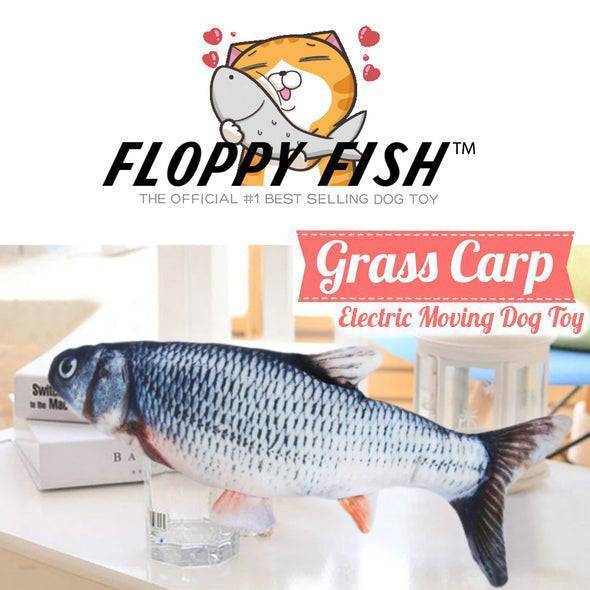
The FLOPPY FISH™ Flying Bird Cat Toy represents this category well – using touch-activated sensors to create realistic wing flapping and authentic chirping sounds that cats find irresistible.

How Remote Control Bird Toys Actually Work
Understanding the mechanics helps set realistic expectations. Most "remote control" bird toys for cats operate through motion sensors rather than traditional remote controls you'd use for a drone or RC car.
When your cat bats, pounces, or touches the toy, built-in sensors detect the interaction and trigger a response – typically wing flapping combined with bird sounds. After a period of inactivity (usually 30-90 seconds), the toy enters standby mode to conserve battery life.
Some advanced models include:
- Multiple sensitivity settings to adjust how easily the toy activates
- Varied movement patterns that prevent predictable, boring play
- Sound variations that mimic different bird species
- USB rechargeable batteries that eliminate the cost and waste of disposables
The technology is surprisingly sophisticated. According to research from animal behaviorists at UC Davis, cats respond most strongly to toys that combine multiple sensory elements – particularly movement paired with sound. Remote control bird toys leverage this by creating multi-sensory hunting simulations that feel more "real" than static plush toys.
The key difference from fully autonomous toys? You maintain some control over when and how play happens, which helps prevent your cat from becoming desensitized to the stimulation.
Does the "Flying" Part Actually Mean It Flies?
Let's address the elephant in the room: no, these toys don't actually fly through the air like a remote control helicopter.
The term "flying bird" refers to the realistic wing-flapping motion that occurs on the ground. The toy remains stationary while the wings move up and down, creating the visual effect of a bird attempting flight or preparing to take off – the exact moment when prey is most vulnerable in nature.
This might sound like false advertising, but it's actually more effective for cat enrichment. Cats are ground hunters who primarily catch birds during takeoff or landing, not mid-flight. A toy that stays on the floor while moving its wings perfectly mimics this natural hunting opportunity.
Think about how your cat stalks: low to the ground, focused, patient. An aerial toy flying overhead would actually be less engaging because it doesn't align with their natural predatory behavior. The ground-level flapping creates the perfect "pounce moment" that satisfies their instincts.

The Real Benefits for Your Cat (and You)
Remote control bird toys solve several common indoor cat challenges that traditional toys miss:
Mental Stimulation That Lasts: Unlike laser pointers that leave cats frustrated (they never "catch" anything), bird toys provide tangible prey that cats can successfully capture. This completion of the hunting sequence – stalk, pounce, capture – releases satisfying dopamine that reduces anxiety and promotes contentment.
Physical Exercise Without Constant Supervision: Busy working from home? A motion-activated bird toy keeps your cat active during your Zoom calls. The toy responds to your cat's energy level, creating independent play sessions that don't require you to drop everything every time your cat gets the zoomies.
Reduced Destructive Behaviors: Veterinary behaviorist Dr. Rachel Malamed notes that cats with insufficient mental stimulation often redirect energy into scratching furniture or aggressive play. Channeling that energy into appropriate hunting play dramatically reduces these unwanted behaviors.
Bonding Opportunities: When you do have time, sitting on the floor with your cat while they hunt the bird toy creates positive association and strengthens your relationship. You're not doing all the work with a wand toy, but you're present and engaged.
For multi-cat households, these toys can help reduce territorial tension by providing a shared activity that doesn't revolve around competition for your attention.
Are Remote Control Bird Toys Safe for Cats?
Safety concerns are valid – especially with electronic toys that contain motors and batteries. Here's what to look for:
Non-Toxic Materials: Reputable brands use bite-resistant, pet-safe fabrics that won't harm your cat if chewed. The Flying Bird Interactive Cat Toys collection features toys made with reinforced plush that withstands even aggressive play.
Enclosed Electronics: The motor and battery should be completely sealed inside the toy with no exposed wires or small parts. Check that USB charging ports have protective covers when not in use.
Automatic Shut-Off: Quality toys include motion sensors that turn off after inactivity, preventing motor overheating and extending battery life. This also prevents your cat from becoming over-stimulated from constant movement.
Supervised Initial Play: Always monitor the first few sessions to ensure your cat plays appropriately. Most cats instinctively understand it's prey and interact safely, but outliers exist.
The American Association of Feline Practitioners recommends rotating toys every few days to maintain novelty and prevent overuse. Store electronic toys between play sessions to extend their lifespan and keep them special.
Comparing Remote Control Options vs. Motion-Activated Toys
You'll encounter two main types when shopping:
True Remote Control Models: You physically control movement patterns with a handheld remote. These offer maximum control but require your constant participation – defeating the purpose of an independent play toy.
Motion-Activated/Touch-Sensitive Models: These respond when your cat interacts with them. They provide the best balance of independent play and interactive engagement, making them the most practical choice for busy pet owners.
The motion-activated approach wins for most households because it encourages your cat to initiate play independently while still providing the unpredictable responses that keep the experience fresh. Learn more about choosing the right toys in our ultimate guide to flying bird cat toys.
How Long Do They Last? Durability and Battery Life
Quality matters enormously with electronic pet toys. Budget versions often fail within weeks, while premium options last for years.
Battery Performance: USB rechargeable toys typically provide 2-4 hours of active play time per charge. With motion-activated sensors that only engage during play, one charge can last several days in practice.
Physical Durability: Look for reinforced stitching, tear-resistant fabrics, and well-sealed seams. The soft plush exterior should be thick enough to withstand clawing without exposing electronics. Machine-washable covers are a huge bonus for maintaining hygiene.
Motor Longevity: Quiet, efficient motors last longer and won't startle sensitive cats. Cheap toys often have loud motors that initially excite cats but quickly become annoying – to both pets and humans.
Expect to pay $20-40 for a quality motion-activated bird toy. This sits at the higher end of cat toy pricing, but the longevity and engagement justify the cost compared to buying dozens of disposable toys your cat ignores after five minutes.

What About Cats Who Don't Respond to Bird Toys?
Not every cat will immediately obsess over a flying bird toy – and that's okay. Cats have individual preferences shaped by their history, age, and personality.
Senior cats might prefer gentler toys without sudden movements or loud sounds. In these cases, consider pairing the bird toy with soft plush toys they can cuddle after play sessions.
Formerly outdoor cats who've actually caught birds might need time to adjust to "pretend" hunting. Be patient and try short, supervised sessions.
Kittens sometimes get overstimulated easily. Start with brief 5-minute play sessions and gradually increase duration as they mature.
Tips for reluctant cats: Place the toy near their favorite lounging spots, add catnip to the area, or use it during their naturally active times (typically dawn and dusk). Some cats need to observe the toy for a few days before engaging.
Remember that enrichment comes in many forms. If your cat prefers puzzle feeders or smart rolling balls, that's equally valid. The goal is mental and physical stimulation – the method matters less than the outcome.
Setting Up Your Remote Control Bird Toy for Success
Getting maximum value requires a bit of strategy:
Charge Fully Before First Use: Follow manufacturer instructions for initial charging (usually 60-90 minutes) to optimize battery performance.
Choose the Right Location: Place the toy in an open area where your cat can circle, stalk, and pounce without furniture obstacles. Avoid high-traffic areas where the toy might accidentally activate and startle family members.
Create a Play Routine: Cats thrive on predictability. Use the toy during the same times each day – ideally before meals when hunting drive is strongest. This mimics the natural hunt-eat-sleep cycle.
Rotate With Other Toys: Don't leave it out 24/7. Bring out the bird toy for specific play sessions, then store it away. This maintains novelty and prevents your cat from becoming bored.
Pair With Catnip or Silvervine: Many flying bird toys include refillable catnip pouches. Refresh the catnip monthly to maintain peak interest. If your cat doesn't respond to catnip (about 30% don't), try silvervine or valerian root alternatives.
Combine With Other Enrichment: Use the bird toy alongside treat puzzles, window perches, or other interactive pet toys for comprehensive mental stimulation.
Remote Control Bird Toys vs. Traditional Interactive Toys
How do these compare to feather wands, laser pointers, and plush mice?
Feather Wands: Excellent for bonding but require constant human participation. Bird toys offer more independence.
Laser Pointers: Provide exercise but never allow prey capture, potentially causing frustration. Bird toys complete the hunting sequence.
Plush Mice: Low engagement after initial novelty wears off. Bird toys maintain interest through movement and sound.
Automated Ball Toys: Great for chasing but lack the vertical wing movement that triggers pouncing instincts. Bird toys engage different hunting behaviors.
The ideal toy collection includes variety. Think of remote control bird toys as the centerpiece of active play, supplemented by quieter toys for downtime and treat-dispensing puzzles for cognitive challenges.
Cleaning and Maintenance Tips
Electronic toys require slightly more care than basic plush toys:
Weekly Surface Cleaning: Wipe the exterior with pet-safe disinfectant wipes, avoiding moisture near charging ports or speaker openings.
Monthly Deep Clean: If your model has a removable fabric cover, machine wash on gentle cycle and air dry completely before reattaching.
Battery Care: Fully discharge and recharge the battery every 2-3 months to maintain optimal performance. Don't leave plugged in continuously after reaching full charge.
Storage Between Uses: Keep in a dry location away from direct sunlight. Remove batteries if storing for extended periods (though most rechargeable models don't require this).
Replace When Necessary: If the motor becomes loud, movements become jerky, or fabrics tear exposing electronics, it's time to retire the toy for safety reasons.
According to the ASPCA guidelines on pet toy safety, regularly inspecting toys for damage prevents accidental ingestion of small parts or electronic components.
Best Uses for Different Cat Personalities
The Hunter: Cats with strong prey drive will obsess over bird toys. Use them for high-energy morning sessions to tire out overly active cats.
The Anxious Cat: Motion-activated toys provide comfort through predictable cause-and-effect interactions. The successful "capture" releases calming dopamine.
The Lazy Lounger: Short, frequent sessions work better than marathon play. Five minutes three times daily beats one 15-minute session.
The Senior Cat: Choose toys with adjustable sensitivity or gentler movements. The mental stimulation benefits aging brains even if physical activity is limited.
The Social Butterfly: In multi-cat homes, bird toys can facilitate positive play interactions between cats who might otherwise compete. Supervise initially to ensure everyone plays nicely.
Common Problems and Solutions
"My cat got bored after two days": Implement toy rotation. Put the bird toy away for a week, then reintroduce it. Cats have short-term habituation but quickly re-engage with "new" old toys.
"The motor is too loud": Quality matters. Premium toys like those in the Best Sellers collection feature ultra-quiet motors specifically designed for noise-sensitive cats.
"The wings stopped flapping": Check battery charge, clean motion sensors (sometimes fur or dust blocks them), and verify the toy is on a hard surface where sensors can detect touch.
"My cat is scared of it": Place the toy in view but don't activate it for a few days. Let curiosity overcome caution. Then try short, controlled sessions where you manually move the toy gently rather than relying on automatic movements.
"It's too expensive": Consider cost-per-play versus disposable toys. A $30 electronic toy providing daily entertainment for two years costs about 4 cents per day – far less than constantly replacing basic toys.
Building a Complete Enrichment System
Remote control bird toys work best as part of a holistic approach to feline wellness:
Morning: High-energy bird toy play before breakfast to satisfy hunting instincts
Midday: Window perch for bird watching and motion-activated fish toys for independent play
Evening: Interactive play with you using varied toys, followed by puzzle feeders for dinner
Night: Calming plush toys and comfortable sleeping areas
This routine mimics natural feline behavior patterns: hunt, eat, groom, sleep. The bird toy facilitates the crucial hunting component that indoor cats otherwise miss.
Veterinary behaviorists recommend at least 20 minutes of active play daily for adult cats. Motion-activated toys help reach this goal even during hectic workdays.

The Verdict: Are Remote Control Bird Toys Worth It?
For most indoor cats, yes – with realistic expectations. These toys won't replace all other forms of enrichment, but they excel at providing the specific type of ground-level hunting simulation that cats crave.
They're particularly valuable for:
- Working pet parents who need independent play solutions
- High-energy cats requiring multiple daily outlets
- Multi-cat households needing shared activities
- Cats with mild anxiety responding well to routine play sessions
- Owners wanting interactive toys that don't require constant participation
They're less ideal for:
- Cats who prefer solitary play without movement or sound
- Extremely aggressive chewers who destroy electronic toys
- Households with very noise-sensitive pets or people
- Owners unwilling to implement toy rotation and maintenance
The technology has improved dramatically in recent years. Modern motion-activated bird toys offer remarkable durability, realistic movements, and convenient USB charging that make them practical everyday tools rather than novelty purchases.
Ready to Transform Your Cat's Playtime?
If you're tired of toys that promise engagement but sit untouched in the corner, a quality remote control flying bird cat toy might be exactly what your feline friend needs. The combination of realistic wing flapping, authentic chirping sounds, and motion-activated technology creates the hunting simulation that indoor cats desperately crave.
Browse our complete selection of interactive cat toys to find the perfect match for your cat's personality and play style. From motion-activated birds to rolling balls and flopping fish, we've curated the most engaging, durable options backed by thousands of happy pet parents.
Your cat's next favorite toy is just a click away. Because happy, stimulated cats make for peaceful, joyful homes. Get your own flying bird cat toy today!
Frequently Asked Questions About Remote Control Flying Bird Cat Toys
Q: Do remote control bird cat toys actually fly in the air?
A: No, they don't fly through the air. The "flying" refers to realistic wing-flapping movements that occur on the ground, mimicking a bird's takeoff motion. This ground-level activity perfectly aligns with cats' natural hunting behavior, as they primarily catch birds during landing and takeoff rather than mid-flight.
Q: How long does the battery last on a motion-activated bird toy?
A: Quality USB rechargeable bird toys provide 2-4 hours of active play time per charge. Since motion sensors only activate during interaction, one full charge typically lasts 3-5 days with regular play sessions. Charging takes approximately 60-90 minutes.
Q: Are electronic bird toys safe for cats to play with unsupervised?
A: High-quality motion-activated bird toys are designed for independent play with safety features like enclosed electronics, automatic shut-off functions, and bite-resistant materials. However, always supervise initial play sessions to ensure your cat interacts appropriately, and regularly inspect the toy for any damage that could expose electronic components.
Q: My cat ignores the bird toy – what am I doing wrong?
A: Some cats need time to adjust to new toys. Try placing the toy near their favorite spots without activating it for a few days, use it during naturally active times (dawn/dusk), add fresh catnip, or try shorter play sessions. About 10-15% of cats simply prefer different toy types – that's normal. Implement toy rotation and consider combining it with treats or puzzle feeders.
Q: How do motion-activated bird toys compare to manual feather wands?
A: Both have unique benefits. Feather wands offer excellent bonding and allow you to control exact movements, but require constant human participation. Motion-activated bird toys provide more independence while still offering engagement, making them ideal for busy owners. The best approach uses both: feather wands for dedicated bonding time, and motion-activated toys for independent play.
Q: Can the flapping sound scare sensitive cats?
A: Quality bird toys feature ultra-quiet motors designed specifically for noise-sensitive pets. However, cautious cats might initially startle. Introduce the toy gradually – let them observe it without activation first, then try short sessions with gentle movements. Most cats quickly associate the sounds with play and overcome initial hesitation.
Q: How often should I let my cat play with a motion-activated bird toy?
A: Veterinary behaviorists recommend at least 15-20 minutes of active play daily for adult cats. Break this into 2-3 sessions using the bird toy, then rotate with other enrichment activities. Don't leave electronic toys out 24/7 – store them between sessions to maintain novelty and prevent over-stimulation or habituation.