The Ultimate Guide to Soft Fish Toys for Cats and Dogs: Why Your Pet Needs This Gentle Comfort Solution

Have you ever wondered why your cat gently bunny-kicks that stuffed fish at 3 AM, or why your dog carries around their plush toy like it's their most prized possession? The answer lies in something deeper than simple play – it's about comfort, security, and the satisfaction of natural instincts. Soft fish toys aren't just adorable additions to your pet's toy collection; they're essential tools for emotional well-being and healthy development.
Whether you're searching for the perfect soft toy for an anxious rescue, a teething puppy, or a senior cat who needs gentler play options, this comprehensive guide will help you understand why soft fish toys have become the go-to choice for pet owners who want to combine comfort with engagement.
What Makes Soft Fish Toys Different from Regular Pet Toys?
Soft fish toys occupy a unique space in the pet toy universe. Unlike hard rubber chews or noisy squeakers, these plush companions offer tactile comfort that mimics the feeling of prey without the intensity of interactive electronic toys.
The best soft fish toys combine realistic fish shapes with ultra-plush materials that invite cuddling, carrying, and gentle play. For cats, the fish shape triggers natural hunting instincts even during calm moments. For dogs, especially those who aren't aggressive chewers, soft fish toys provide the perfect balance between play and comfort.
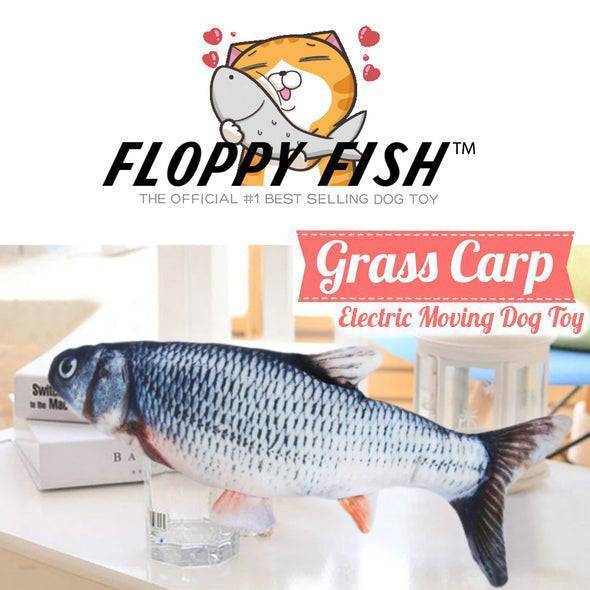
What sets quality soft fish toys apart is their attention to realistic details – scaled textures, vibrant colors that mimic real fish species, and proportions that feel natural in your pet's mouth. The Floppy Fish™ Plush Toys exemplify this approach, offering 10 different realistic fish designs from Barracuda to Salmon, each crafted with bite-resistant materials and safe PP cotton filling.

Why Do Dogs Love Soft Toys? The Science Behind the Snuggle
Understanding why dogs gravitate toward soft toys helps explain their enduring popularity. Evolutionary biology plays a significant role – wild canines would carry prey back to their dens, and this instinct translates to modern dogs carrying soft toys around your home.
Soft toys satisfy the "carry and comfort" instinct without triggering aggressive chewing behavior. Many dogs, particularly retrievers and herding breeds, need something to hold in their mouths. A soft fish toy provides oral satisfaction without encouraging destructive chewing on furniture or shoes.
The emotional component is equally important. Dogs form attachments to soft toys much like children attach to security blankets. When you leave for work, that soft fish toy becomes a comforting presence that smells like home and family. This is especially crucial for dogs experiencing separation anxiety.
Texture matters tremendously. The plush exterior of quality soft fish toys provides sensory comfort that hard toys simply cannot match. Dogs often "nest" with their soft toys, incorporating them into sleep routines and rest periods. This self-soothing behavior is completely healthy and should be encouraged.
For puppies specifically, soft toys offer safe mouthing opportunities during teething periods. While they shouldn't replace proper teething toys entirely, soft fish toys give young dogs something gentle to gnaw on between meals and training sessions.
The Hidden Benefits of Soft Fish Toys for Anxious Cats
Cats and soft toys share a fascinating relationship that goes beyond simple play. For anxious or skittish cats, soft fish toys provide low-pressure enrichment that doesn't overwhelm their senses.
Unlike motion-activated toys that might startle nervous cats, soft plush fish allow felines to control the interaction entirely. They can stalk, pounce, carry, and bunny-kick at their own pace. This autonomy is crucial for building confidence in shy cats.
The fish shape specifically triggers prey instincts in a way that generic plush toys cannot. Even the calmest lap cat retains hunter DNA, and soft fish toys allow them to express these instincts through safe, controlled play. The elongated shape is perfect for bunny-kicking – that adorable behavior where cats grab the toy with their front paws and rapidly kick with their back legs.
Many quality soft fish toys include refillable catnip pouches, adding an extra layer of sensory enrichment. Catnip acts as a natural stress reliever for many cats, and when combined with the comfort of soft plush material, it creates a powerful relaxation tool. The Floppy Fish™ Catnip Plush Toys feature hidden catnip compartments that keep cats engaged without over-stimulation.
Soft toys also serve as transitional objects for rescued cats adjusting to new environments. Having a consistent, comforting toy helps create a sense of security during stressful transitions like moving homes or introducing new family members.

Fish Soft Toy for Cat: Choosing the Perfect Size and Texture
Not all soft fish toys are created equal, and selecting the right one requires understanding your cat's individual preferences and play style.
Size considerations are crucial. A toy that's too small poses choking hazards, while oversized toys might be ignored entirely. For most adult cats, fish toys between 10-12 inches long hit the sweet spot – large enough for effective bunny-kicking but small enough to carry around comfortably. The standard 11-inch length of Floppy Fish™ plush models works perfectly for cats ranging from petite Siamese to larger Maine Coons.
Texture preferences vary dramatically between cats. Some prefer smooth, silky fabrics that slide easily during play. Others gravitate toward toys with varied textures – scaled patterns, fins with different materials, or crinkle elements hidden inside. Pay attention to which textures your cat naturally seeks out when choosing between blankets, scratching posts, or existing toys.
Weight distribution matters more than most people realize. A well-balanced soft fish toy will flip and flop realistically when batted, providing satisfying feedback that encourages continued play. Poorly distributed filling creates toys that just sit there limply, which cats quickly ignore.
The fish species design isn't just aesthetic – it affects how cats interact with the toy. Barracuda-style toys with elongated profiles are excellent for carrying and kicking. Rounder goldfish designs work better for cats who prefer batting and chasing. Realistic color patterns trigger stronger prey responses than generic bright colors.
For multi-cat households, having several soft fish toys in rotation prevents resource guarding and ensures every cat has access to solo play opportunities. Different cats will naturally gravitate toward different designs, reducing competition.
Goldfish Soft Toy: Why This Classic Shape Wins Hearts
The goldfish shape holds special appeal in the soft toy category, and there are solid behavioral reasons behind its popularity.
Cultural familiarity plays a role – Floppy Fish goldfish plus toys are universally recognized, creating an immediate visual connection for pet owners. But more importantly, the goldfish's rounded, compact body shape makes it ideal for certain play styles.
Cats who prefer "soccer" play – batting toys across the floor rather than carrying them – respond exceptionally well to goldfish-shaped soft toys. The rounded body rolls and tumbles unpredictably, triggering chase responses without requiring electronic motion.
For dogs, particularly small and toy breeds, goldfish soft toys offer the perfect mouth-sized comfort object. The compact shape fits comfortably between their jaws, making it an ideal carry toy for dogs who like to parade their possessions around the house.
The goldfish design also tends to be visually striking with bright oranges, whites, and blacks that stand out against typical home flooring. This visibility factor matters because pets (especially dogs) can actually lose track of drab-colored toys against carpets and furniture.
Parents often gravitate toward goldfish soft toys because they're universally perceived as non-threatening. While a realistic barracuda might look intimidating on the playroom floor, a cheerful goldfish fits seamlessly into family spaces.

The Therapeutic Value: How Soft Fish Toys Support Pet Mental Health
The connection between soft toys and pet mental health deserves serious attention from responsible pet owners. These plush companions offer therapeutic benefits that extend far beyond entertainment.
For dogs with separation anxiety, having a designated soft toy can significantly reduce stress responses. The key is creating positive associations through scent conditioning – keeping the toy near you during evening relaxation, then leaving it with your dog when you depart. Over time, the toy becomes a comforting reminder of your presence.
Research shows that dogs who regularly engage with comfort toys exhibit lower cortisol levels during potentially stressful situations. The act of carrying, organizing, and nesting with soft toys provides healthy outlets for nervous energy that might otherwise manifest as destructive behavior.
Cats benefit from soft toy therapy differently. Felines who display frustration aggression – attacking ankles or hands during play – can redirect this energy toward appropriate soft fish toys. This controlled outlet for predatory behavior prevents the escalation of unwanted hunting behaviors toward humans or other pets.
Senior pets experiencing cognitive decline often find comfort in routine interactions with soft toys. A familiar plush fish becomes an anchor point in their daily life, providing consistent sensory experiences that support cognitive function.
Soft fish toys are also valuable tools for confidence building in fearful pets. Successfully "capturing" and carrying their fish toy creates positive achievement experiences that gradually build self-assurance.
Durability Concerns: Finding Soft Toys That Actually Last
The biggest complaint about soft pet toys? They don't last. But this doesn't have to be your experience if you know what to look for.
Reinforced stitching is non-negotiable. Double or triple-stitched seams, particularly around fins and tails (high-stress areas), dramatically extend toy lifespan. Quality manufacturers understand where tension concentrates during play and reinforce these zones accordingly.
The outer fabric matters enormously. Premium soft fish toys use bite-resistant materials that withstand repeated grabbing, pulling, and light chewing without immediate breakdown. Look for tightly woven fabrics rather than loose knits that create easy-to-pull threads.
Internal construction separates excellent soft toys from mediocre ones. Quality options use resilient PP cotton filling that maintains shape even after months of play. Cheap polyester filling compresses into lumps, creating unappealing, misshapen toys that pets abandon.
Removable covers represent a game-changing feature for households with multiple pets or particularly enthusiastic players. Being able to wash the exterior without replacing the entire toy dramatically extends usability while maintaining hygiene.
For heavy chewers, understand that soft toys serve a different purpose than dedicated chew toys. They're designed for carrying, cuddling, and light mouthing – not aggressive destruction. If your dog is a power chewer, soft toys should complement (not replace) durable rubber options.
Setting realistic expectations matters. Even the highest-quality soft toy won't survive a determined Pit Bull's chewing session indefinitely. But for appropriate play styles, well-constructed soft fish toys can remain favorite companions for years.
Soft Fish Toys vs. Interactive Electronic Toys: Which Does Your Pet Need?
Many pet owners wonder whether they should invest in soft plush toys or spring for electronic interactive options. The truth? Your pet needs both, and here's why they serve different purposes.
Soft fish toys excel during calm, self-directed play. They're perfect for late evening wind-down sessions, nap time comfort, and gentle solo entertainment. Electronic toys like motion-activated Floppy Fish Interactive Toys provide intense stimulation that satisfies hunting instincts through realistic movement.
Think of soft toys as the comfort food of the pet toy world – reliable, soothing, and always available. Interactive electronic toys are the exciting restaurant meal – thrilling and engaging but not something you'd want every single time.
For anxious pets, soft toys often prove less overwhelming than motion-activated options. A cat who startles easily might avoid electronic toys entirely but happily snuggle with a soft fish. Conversely, high-energy pets might ignore static toys in favor of moving alternatives.
Age considerations matter significantly. Kittens and puppies often prefer interactive toys that trigger active play. Senior pets frequently gravitate toward soft options that don't require intense physical effort. Middle-aged pets typically enjoy rotation between both types.
Budget-conscious owners should know that soft toys offer exceptional value for calm entertainment and comfort, while electronic options provide specialized benefits for behavioral issues and high-energy personalities.
The ideal approach involves strategic combination. Use interactive toys during dedicated play sessions (morning and evening for cats, after walks for dogs), and leave soft toys available for self-directed comfort throughout the day.

Cleaning and Maintenance: Keeping Soft Fish Toys Fresh and Safe
Even the best soft fish toy becomes unappealing when it's grimy, smelly, or harboring bacteria. Proper maintenance ensures your investment remains both safe and attractive to your pet.
Spot cleaning should be your first line of defense. Address fresh stains immediately with pet-safe enzymatic cleaners that break down organic matter without harsh chemicals. Blot rather than scrub to avoid pushing dirt deeper into fabric fibers.
For machine-washable options, use gentle cycles with cold water and pet-safe detergent free from artificial fragrances that might irritate sensitive noses. Place toys in mesh laundry bags to prevent damage during the wash cycle. Air drying is always preferable to machine drying, which can shrink fabric and melt certain materials.
Non-washable soft toys require different strategies. Baking soda works wonders – sprinkle liberally, let sit for 30 minutes, then vacuum thoroughly. This naturally neutralizes odors without adding chemicals. For deeper cleaning, spot-treat with a damp cloth and mild soap, ensuring the toy dries completely before returning it to your pet.
Rotation and inspection should be part of your regular routine. Keep 3-4 soft toys in active rotation, swapping them weekly to prevent over-attachment to a single toy and distribute wear evenly. During rotation, inspect for loose threads, exposed filling, or damaged seams that could pose choking hazards.
Sun exposure provides natural antibacterial benefits when done correctly. An hour of direct sunlight kills many common bacteria and helps eliminate stubborn odors. However, prolonged sun exposure can fade colors and weaken fabric, so limit this to occasional deep-refreshing sessions.
Multi-Pet Households: Managing Soft Toy Dynamics
Homes with multiple pets face unique challenges regarding soft toy management. The key is creating an abundance mindset that prevents resource guarding and competition.
Start by providing more toys than pets. If you have three cats, maintain at least five soft fish toys in active circulation. This surplus ensures every pet can have a toy without feeling the need to guard or compete for limited resources.
Individual preferences emerge quickly in multi-pet households. One dog might claim the salmon plush toy while another prefers the barracuda soft toy. Honor these natural selections rather than forcing equal sharing, which often creates unnecessary conflict.
For homes with both cats and dogs, establish species-specific toy zones. Elevated cat trees should have dedicated cat toys that dogs cannot access, while dog beds should contain dog-designated toys. This separation prevents cross-contamination of scents and reduces territorial disputes.
Supervised introduction of new soft toys prevents initial conflicts. Present new toys during calm periods when pets are relaxed, not during high-energy play sessions when competition is more likely. Let each pet investigate the toy individually before allowing group access.
Watch for signs of resource guarding – growling, stiff body posture, or blocking access to toys. If these behaviors emerge, increase the number of available toys and create additional play spaces so pets don't feel compelled to protect limited resources.
Special Considerations for Senior Pets and Soft Fish Toys
Senior pets have unique needs that make soft fish toys particularly valuable during their golden years. Understanding these requirements helps you choose toys that enhance quality of life rather than causing frustration.
Arthritic pets benefit from soft toys that don't require intense physical manipulation. Choose options with appropriate weight – heavy enough to provide satisfying interaction but light enough that stiff joints can still carry them comfortably. The 11-inch soft fish toys offer ideal proportions for senior cats and small-to-medium senior dogs.
Dental health becomes increasingly important with age. Senior pets often have sensitive gums or missing teeth that make hard toys uncomfortable. Soft plush materials allow continued play without causing oral pain or damage to compromised teeth.
Vision and hearing decline affect how pets interact with toys. Soft fish toys with high-contrast colors remain visible to aging eyes better than muted tones. The tactile feedback of plush materials compensates for reduced sensory input from weakening eyesight and hearing.
Cognitive enrichment is crucial for senior pets showing early signs of cognitive dysfunction. Familiar soft toys provide comforting consistency while gentle play sessions stimulate brain function. The predictable nature of soft toys (they don't suddenly move or make unexpected sounds) creates safe enrichment for confused or disoriented seniors.
Scent association becomes even more powerful with aging pets. Long-term soft toy companions carry comforting familiar smells that provide emotional security during the inevitable changes and losses that come with aging.

Creating the Perfect Soft Toy Collection: A Practical Approach
Building an effective soft toy collection doesn't require breaking the bank – it requires strategic thinking about your pet's needs and play patterns.
Start with a foundation set of 3-4 different soft fish designs in various sizes and textures. This variety allows you to identify which characteristics your pet prefers before investing in additional toys. The complete Floppy Fish™ Plush Toy collection offers 10 species options, making it easy to experiment with different shapes and colors.
Seasonal rotation keeps toys feeling fresh without constant new purchases. Store half your soft toy collection for 2-3 months, then swap them out. Pets respond to "new" toys with renewed interest, even when they've simply been out of sight temporarily.
Combine soft fish toys with complementary enrichment for maximum value. Pair them with treat puzzles during solo play periods, or alternate between soft toy sessions and interactive play with flying bird cat toys to create balanced stimulation throughout the day.
Budget considerations matter. Premium soft fish toys cost more upfront but last significantly longer than bargain options that disintegrate within weeks. Calculate cost-per-month of use rather than initial purchase price when making decisions.
For busy owners juggling work schedules, soft toys provide guilt-free entertainment that doesn't require constant human involvement. Leave several toys accessible during the day, knowing your pet can self-entertain safely while you're away.
The Environmental Impact: Choosing Sustainable Soft Fish Toys
Environmentally conscious pet owners increasingly seek toys that don't contribute to landfill waste or environmental harm. Fortunately, sustainable options exist without sacrificing quality.
Look for soft fish toys made from recycled materials – recycled plastic bottles transformed into plush fabric reduce demand for virgin polyester production. Many manufacturers now highlight their sustainability credentials clearly on packaging.
Longevity equals sustainability. A well-made soft toy that lasts two years is far more environmentally friendly than cheap alternatives that need replacing every few months. Choose quality over quantity, even if upfront costs are higher.
Consider toys with replaceable components. Options with removable, washable covers extend toy life dramatically while reducing waste. When the exterior eventually wears out, you can replace just the cover rather than discarding the entire toy.
Organic cotton filling represents a more sustainable choice than synthetic alternatives, though it typically costs more and may not be as resilient to moisture. Weigh these trade-offs based on your personal environmental priorities and your pet's play style.
End-of-life disposal matters too. When soft toys finally reach the end of their usable life, look for textile recycling programs that accept pet toys. Some animal shelters accept gently used toys for their residents, giving old toys a second life.
Combining Soft Toys With Other Enrichment Strategies
Soft fish toys work best as part of a comprehensive enrichment program rather than standing alone. Here's how to create synergy between different entertainment approaches.
Structured playtime should incorporate variety. Alternate between intense interactive sessions using motion-activated toys and calmer periods with soft plush options. This rhythm mirrors natural activity patterns for both cats and dogs.
Pair soft toys with feeding enrichment by hiding them near puzzle feeders or treat-dispensing toys. Pets learn to associate finding their soft fish with discovering food rewards, increasing the toy's value in their minds.
For anxious pets, create safe zones where soft toys are always available alongside other comfort items – favorite blankets, beds, or even clothing items that smell like you. These zones become retreat spaces during stressful situations.
Training integration adds new dimensions to soft toy value. Teach your dog to retrieve specific soft fish on command, or train your cat to bring their toy for play sessions. This transforms passive toys into interactive training opportunities.
Combine soft toys with environmental enrichment like cat trees, window perches, or dog-safe obstacles. Placing soft fish toys at the top of cat trees creates rewarding "prey captures" after climbing efforts, satisfying multiple instincts simultaneously.
Real Pet Parent Experiences: What Makes Soft Fish Toys Special
While features and benefits tell part of the story, real experiences from pet owners reveal the deeper value of quality soft fish toys.
Multiple owners report that their anxious rescues formed emotional attachments to soft fish toys within days of adoption. These toys became security blankets during the challenging adjustment period, providing comfort when human interactions felt overwhelming.
Senior dog owners consistently mention how soft toys become treasured companions in their pets' final years. Dogs who can no longer engage with intense play often carry soft fish toys around, nap with them, and seek comfort from their familiar texture and scent.
Cat owners describe watching previously destructive cats redirect their intense play energy toward soft fish toys instead of curtains, furniture, or human feet. This behavioral shift came without punishment or correction – simply by providing appropriate outlets for natural instincts.
Multi-pet households report that having abundant soft toys dramatically reduced conflict between animals who previously competed for limited resources. The combination of variety and surplus created peaceful coexistence around toys.
Busy professionals appreciate how soft fish toys provide guilt-free enrichment that doesn't require constant human participation. Coming home to find pets contentedly playing with or sleeping beside their soft toys provides reassurance that they remained engaged during solo hours.

Making Your Decision: Is a Soft Fish Toy Right for Your Pet?
After exploring all these factors, how do you decide if soft fish toys belong in your pet's collection?
Ask yourself these questions: Does your pet enjoy carrying objects? Do they show interest in plush textures? Are they gentle or moderate chewers rather than aggressive destroyers? Do they experience anxiety or need comfort objects? If you answered yes to any of these, soft fish toys warrant serious consideration.
Consider your pet's current toy collection. If it's dominated by hard rubber, electronic, or puzzle toys, adding soft options creates balance and provides calmer play alternatives. If your pet already owns generic plush toys, upgrading to realistic fish shapes might enhance their engagement.
Think about your household dynamics. Homes with young children benefit from soft toys that are safe for everyone to handle. Multi-pet households need the abundance that affordable soft toys provide. Senior pet homes require gentle options that accommodate aging bodies.
Budget reality matters. Soft fish toys typically cost less than electronic alternatives while providing different but equally valuable benefits. For pet owners on limited budgets, a collection of quality soft toys offers excellent enrichment value per dollar spent.
Where to Start: Building Your Soft Fish Toy Collection Today
Ready to enhance your pet's life with soft fish toys? Here's your action plan.
Begin with variety – select 2-3 different fish designs in a single purchase to identify your pet's preferences. The Floppy Fish™ Plush Toys collection offers species ranging from compact Goldfish to elongated Barracuda, providing excellent variety for initial exploration.
Introduce gradually, especially if your pet isn't accustomed to soft toys. Present the new toy during a calm period, letting your pet investigate at their own pace. Don't force interaction – curiosity will develop naturally.
Observe carefully during early interactions. Does your pet carry the toy? Kick it? Nap with it? These behaviors reveal preferences that guide future purchases and help you understand which features matter most to your individual pet.
Pair with other enrichment from day one. Combine your new soft fish toy with existing favorite activities – post-walk relaxation for dogs, after-dinner play sessions for cats. This integration helps establish positive associations immediately.
Commit to maintenance by setting a reminder to inspect and clean toys weekly. This routine prevents problems before they develop and ensures toys remain safe, fresh, and appealing.
For households wanting comprehensive solutions, consider exploring complementary options like interactive cat toys and browsing the complete range in the Best Sellers collection to create a well-rounded enrichment program.
Conclusion: The Lasting Impact of Simple Comfort
In our technology-driven world, it's easy to overlook the profound value of simple solutions. Soft fish toys don't require batteries, apps, or complicated instructions. They offer something more fundamental – comfort, security, and gentle engagement that respects your pet's emotional needs.
The purr of a cat bunny-kicking their beloved soft fish at midnight. The sight of your dog carrying their plush companion to their bed for naptime. These quiet moments reveal the deep bonds that form between pets and their soft toys – connections that enhance daily life in ways that flashier alternatives cannot replicate.
Quality soft fish toys represent an investment in your pet's emotional well-being, not just their entertainment. They provide outlets for natural instincts, comfort during stressful moments, and companionship during solo hours. For senior pets especially, they offer dignity and continued engagement when other forms of play become too demanding.
As you build your pet's enrichment program, remember that variety serves better than any single solution. Soft fish toys excel in specific roles – comfort, calm play, emotional security – while other toys serve different purposes. Together, they create the comprehensive stimulation every pet deserves.
Your pet's happiness matters. Sometimes it arrives in a big box filled with elaborate interactive technology. Other times, it arrives in the form of a simple, soft fish that becomes a treasured companion for years to come. Both have their place in a life well-lived.

Ready to see your pet's eyes light up? Browse the complete Floppy Fish™ Plush Comfort Toys collection and discover why thousands of pet parents trust these realistic, durable, and comforting soft fish toys to keep their cats and dogs happy, engaged, and emotionally fulfilled. Limited-time 50% OFF sale – because every pet deserves comfort that lasts.